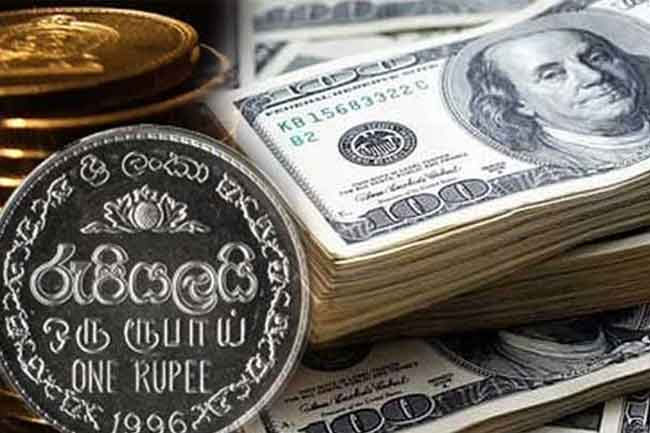
The selling rate of the US dollar has surpassed the Rs. 335 mark, according to the latest daily exchange rates released by the Central Bank of Sri Lanka (CBSL) on Monday, 1 June 2026. The development marks a new milestone in the ongoing fluctuations of Sri Lanka's currency market, raising concerns among economists, importers, and ordinary citizens who depend on foreign currency transactions.
According to CBSL figures, the US dollar selling rate now stands above Rs. 335, reflecting continued depreciation of the Sri Lankan rupee against major global currencies. The official buying rate has also risen proportionately, though the Central Bank has not yet issued a detailed statement on the factors driving this latest shift.
Impact on Imports and Cost of Living
The breach of the Rs. 335 threshold is expected to have immediate consequences for Sri Lanka's import-dependent economy. Essential goods including fuel, pharmaceuticals, food items, and machinery are priced in US dollars, and the weaker rupee translates directly into higher costs for businesses and consumers.
Importers have expressed alarm at the rapid pace of currency depreciation in recent weeks. "Every rupee increase in the dollar rate adds millions to our import bills," said a Colombo-based importer who requested anonymity. "We're already struggling with tight margins, and this will force us to pass on costs to consumers."
Retail prices for fuel and essential commodities are likely to face upward pressure in the coming days, adding to inflationary concerns that have persisted throughout 2026. The Colombo Consumer Price Index has remained volatile, and a weaker rupee could exacerbate price instability across multiple sectors.
Central Bank Reserves and Monetary Policy
Currency market analysts point to several factors behind the rupee's weakness, including fluctuations in foreign exchange reserves, debt servicing obligations, and global economic conditions. Sri Lanka's foreign reserves position, while improved from crisis levels in previous years, remains sensitive to external shocks and capital flows.
The Central Bank has employed various monetary policy tools in recent months to manage exchange rate volatility, including periodic interventions in the foreign exchange market. However, the sustainability of such measures depends on the adequacy of reserves and the broader macroeconomic environment.
According to the Central Bank of Sri Lanka, official reserves stood at approximately USD 5.2 billion as of the end of May 2026, providing a buffer but leaving limited room for aggressive market interventions without risking reserve depletion.
Remittances and Export Sector Implications
While a weaker rupee creates challenges for importers and consumers, it offers some advantages to the export sector and the remittance-receiving population. Sri Lankan exporters, particularly in garments, tea, and tourism services, benefit from improved competitiveness when the rupee depreciates, as their products become relatively cheaper in international markets.
Remittances from Sri Lankans working abroad constitute a vital source of foreign exchange for the country. With the dollar fetching over Rs. 335, families receiving remittances will see increased rupee value for their foreign currency transfers, providing some cushion against domestic inflation.
Government Revenue and Debt Concerns
The exchange rate movement also has implications for government finances. Sri Lanka's external debt, denominated largely in US dollars, becomes more expensive to service in rupee terms as the currency weakens. This places additional strain on the national budget and could necessitate adjustments in fiscal policy.
The International Monetary Fund, which has been closely monitoring Sri Lanka's economic recovery program, has consistently emphasized the importance of exchange rate flexibility and adequate reserves management. The latest dollar rate breach may prompt renewed discussions between Sri Lankan authorities and international financial institutions.
Market Outlook and Expert Opinions
Currency market experts remain divided on the near-term trajectory of the rupee. Some analysts believe the exchange rate will stabilize once seasonal demand pressures ease, while others warn that structural issues in the economy could lead to further depreciation.
"The Rs. 335 level is psychological, but it reflects real economic pressures," noted an economist at a leading Colombo think tank. "Without sustained improvements in export earnings, tourism revenues, and foreign direct investment, the rupee will remain under pressure."
Businesses and households are advised to monitor official Central Bank announcements and adjust their financial planning accordingly. The coming weeks will be critical in determining whether this marks a temporary spike or the beginning of a new phase in Sri Lanka's currency dynamics.
Source: Ada Derana
No comments yet. Be the first to share your thoughts!