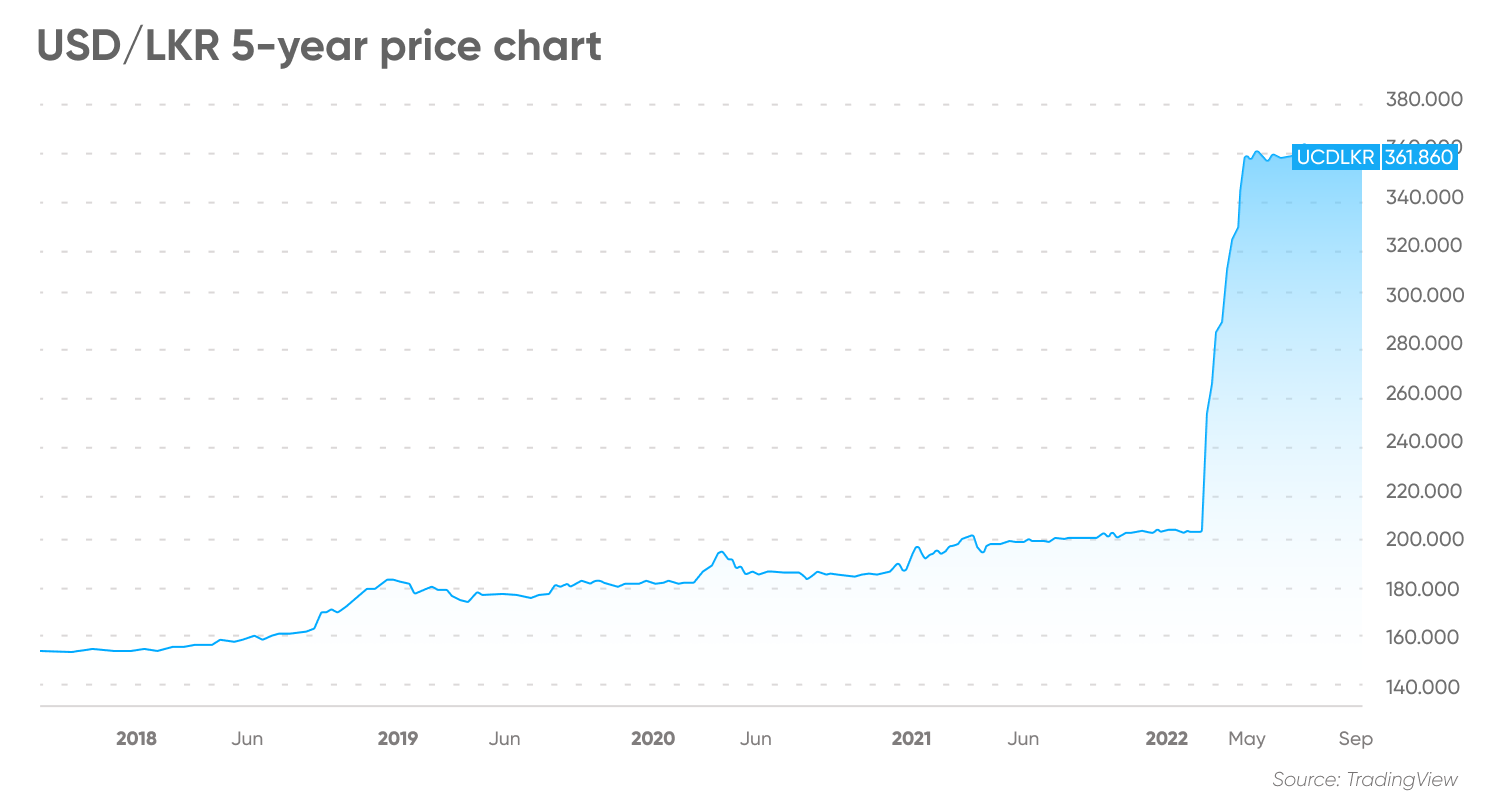
The Sri Lankan rupee weakened further against the US dollar on Friday (12), as several commercial banks across the island recorded higher exchange rates compared to Thursday's close. The depreciation marks another challenge for the nation's currency as it navigates ongoing economic pressures and external market dynamics.
Currency dealers confirmed that the rupee traded at weaker levels throughout the day, reflecting continued demand for foreign exchange amid persistent pressure on Sri Lanka's external reserves. The latest movement underscores the fragility of the local currency as the country works to stabilise its economy following years of turbulence.
Commercial Banks Report Higher Exchange Rates
Major commercial banks in Colombo quoted the US dollar at rates noticeably higher than those recorded just 24 hours earlier. While exact figures varied across institutions, market observers noted a consistent upward trend in dollar buying and selling rates.
The depreciation comes at a time when Sri Lanka's foreign exchange market remains sensitive to global economic shifts and domestic policy decisions. Currency dealers attributed the weakening to a combination of factors, including seasonal demand patterns, import requirements, and broader market sentiment.
Financial analysts have been closely monitoring the rupee's trajectory, particularly as the country continues its engagement with international financial institutions. The currency's performance remains a key indicator of economic health and investor confidence in Sri Lanka's recovery path.
Impact on Imports and Consumer Prices
A weaker rupee typically translates into higher costs for imported goods, which could place additional pressure on consumer prices. Sri Lanka remains heavily reliant on imports for essential items including fuel, food, and pharmaceuticals, meaning any significant currency depreciation can quickly filter through to retail prices.
Businesses involved in international trade have expressed concern about the cumulative effect of rupee volatility on their operations. Import-dependent sectors, from manufacturing to retail, face increased costs when the local currency loses ground against major trading currencies like the US dollar.
The Central Bank of Sri Lanka has previously intervened in the foreign exchange market to prevent excessive volatility, though officials have also emphasised the importance of allowing market forces to determine exchange rates as part of broader economic reforms.
Economic Recovery and Currency Stability
The rupee's performance is being watched closely as Sri Lanka continues its economic recovery programme. The country's relationship with the International Monetary Fund remains crucial, with regular reviews assessing progress on agreed reforms and fiscal targets. As detailed in recent coverage, IMF Sets 27 May for Sri Lanka's Critical Review Amid Rising Fuel Costs, upcoming assessments will examine the nation's economic management amid external pressures.
Currency stability forms a critical component of Sri Lanka's broader economic framework. Sustained depreciation can complicate debt servicing obligations, particularly for foreign currency-denominated loans, and may undermine efforts to attract foreign investment.
Looking Ahead: Market Expectations
Market participants are keeping a close eye on several factors that could influence the rupee's direction in coming weeks. These include global commodity prices, particularly oil, which directly impacts Sri Lanka's import bill, as well as remittance flows from overseas workers, a vital source of foreign exchange.
Tourism revenue, another significant contributor to foreign currency inflows, will also play a role in determining exchange rate dynamics as the sector continues its recovery. According to the Central Bank of Sri Lanka, tourism earnings have shown improvement in recent months, though they remain below pre-crisis levels.
Analysts suggest that maintaining prudent fiscal and monetary policies will be essential for currency stability. The government's ability to manage its external obligations while fostering economic growth will likely influence investor confidence and, by extension, demand for the rupee.
As Sri Lanka navigates these complex economic waters, Friday's depreciation serves as a reminder of the ongoing challenges facing the nation's currency. Stakeholders across the economy will be monitoring exchange rate movements closely in the days and weeks ahead, recognising their far-reaching implications for businesses, consumers, and the broader recovery effort.
Source: Daily Mirror
No comments yet. Be the first to share your thoughts!