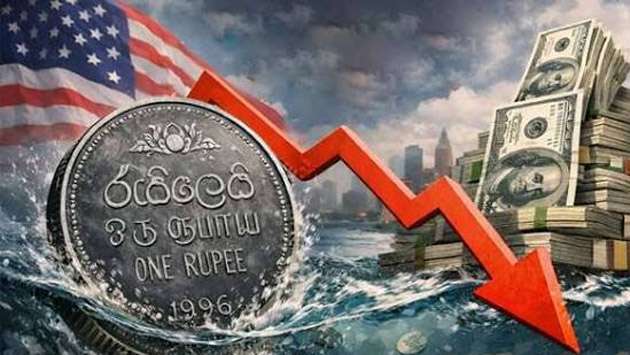
The Sri Lankan rupee depreciated slightly against the US dollar on Thursday (11 June), marking another day of marginal currency volatility as the island nation continues to navigate its economic recovery path. According to the Central Bank of Sri Lanka, both buying and selling rates showed a modest increase compared to Wednesday's trading session, reflecting ongoing pressure on the local currency.
Currency traders observed the rupee's incremental weakening with cautious attention, as foreign exchange markets remain sensitive to both domestic policy signals and global economic headwinds. The Central Bank's data confirmed the shift, though officials have not yet issued detailed commentary on the day's movements or intervention measures, if any were deployed.
Daily Currency Movement Shows Marginal Depreciation
The Sri Lankan rupee has experienced persistent fluctuations throughout 2026 as the country balances debt restructuring commitments with the need to maintain foreign reserves and stabilise the exchange rate. Thursday's marginal depreciation adds to a pattern of incremental movements that have characterised the currency's behaviour in recent months, rather than the dramatic swings witnessed during the height of the economic crisis in 2022 and 2023.
Market analysts suggest that several factors contribute to the rupee's current trajectory, including global dollar strength, import demand dynamics, and investor sentiment around Sri Lanka's ongoing reform programme. The country's ability to maintain relative currency stability while implementing fiscal adjustments remains a critical test of economic policy coordination.
Economic Recovery Context and IMF Programme
The currency movement comes as Sri Lanka continues to implement reforms under its International Monetary Fund (IMF) programme, which has provided crucial support for the country's economic stabilisation efforts. The IMF's upcoming review scheduled for 27 May will assess the country's progress on structural benchmarks and macroeconomic targets, including exchange rate management and reserve accumulation.
Foreign exchange reserves have shown gradual improvement since the depths of the crisis, though they remain below comfortable levels by international standards. The Central Bank has maintained a managed float regime, intervening periodically to smooth excessive volatility while allowing market forces to largely determine the exchange rate. This approach aims to build credibility with international markets while preventing disruptive currency swings that could undermine business confidence.
Import Demand and Remittance Flows
Daily currency movements reflect the ongoing balance between dollar inflows from worker remittances, tourism earnings, and export proceeds against outflows for essential imports including fuel, food, and raw materials. Remittances from Sri Lankans working abroad remain a crucial source of foreign exchange, though these flows can fluctuate based on global economic conditions and labour market dynamics in host countries.
Tourism revenue has been recovering steadily as the sector rebounds from both the pandemic downturn and the economic crisis that severely disrupted visitor arrivals in 2022. However, the pace of recovery remains uneven, and the country continues to work on restoring its reputation as a stable and welcoming destination for international travellers.
Market Outlook and Policy Challenges
Currency market participants will continue to monitor several key indicators in the coming weeks, including inflation data, trade balance figures, and any policy announcements from the Central Bank. The monetary authority faces the delicate task of maintaining price stability while supporting economic growth and preserving competitiveness through appropriate exchange rate management.
External factors including global commodity prices, particularly for oil and food staples, will significantly influence Sri Lanka's import bill and consequently the demand for dollars in the domestic market. The IMF programme emphasises building resilience through improved fiscal management, structural reforms, and the gradual accumulation of foreign reserves as buffers against external shocks.
Economists note that while day-to-day currency fluctuations attract attention, the broader trajectory of economic reform implementation will ultimately determine Sri Lanka's medium-term exchange rate stability and overall macroeconomic health. The government's commitment to fiscal discipline, debt sustainability, and governance improvements remains central to rebuilding investor confidence and securing the external financing needed for recovery.
Source: Daily Mirror
No comments yet. Be the first to share your thoughts!