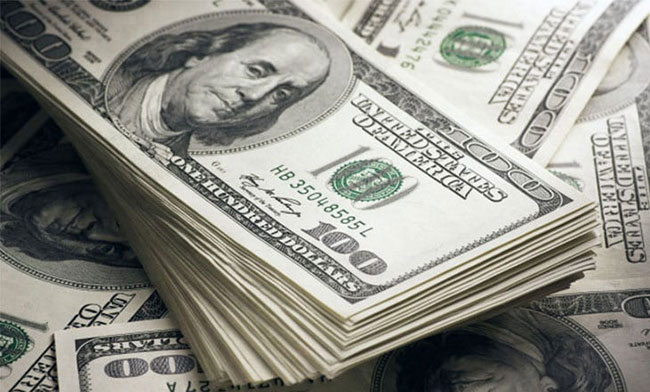
The selling rate of the US dollar has exceeded the Rs. 334 mark, according to the latest daily exchange rates issued by the Central Bank of Sri Lanka (CBSL) on Friday, 29 May 2026. The development marks another milestone in the rupee's gradual depreciation and raises fresh concerns about inflationary pressures and the cost of essential imports.
Financial analysts monitoring the US dollar exchange rate in Sri Lanka say the crossing of this psychological threshold reflects ongoing fiscal challenges despite recent economic stabilisation efforts. The rupee's weakening comes amid global currency volatility and domestic demand for foreign exchange to meet import obligations.
Central Bank Data Shows Continued Depreciation
According to the CBSL's official bulletin released this morning, the dollar's selling rate climbed past Rs. 334.00, while the buying rate also saw a corresponding increase. The movement represents a continuation of the rupee's downward trajectory observed over recent months, though the pace of depreciation has been more measured compared to the sharp declines witnessed during the peak of Sri Lanka's economic crisis in 2022.
Currency dealers in Colombo's commercial banking district reported brisk activity in foreign exchange counters, with importers scrambling to secure dollars for pending shipments. One senior treasury official at a private bank, speaking on condition of anonymity, noted that demand has been particularly strong from the fuel and pharmaceutical sectors.
Impact on Inflation and Consumer Prices
Economists warn that the rupee's continued slide will likely translate into higher prices for imported goods, potentially undoing some of the gains made in controlling inflation over the past year. Sri Lanka's Central Bank has worked to bring inflation down from triple-digit levels, but currency depreciation remains a significant headwind.
"Every rupee of depreciation adds to the landed cost of imports," explained Dr. Ayesha Wijesinghe, an economics lecturer at the University of Colombo. "Given that Sri Lanka imports nearly everything from rice to medicines, this will put upward pressure on the consumer price index in the coming months."
What It Means for Ordinary Sri Lankans
For households already grappling with elevated living costs, the weakening rupee spells further strain. The price of fuel, which is pegged to international rates and settled in dollars, is particularly vulnerable. Similarly, imported food items, cooking gas, and medicines are expected to see price adjustments as retailers and distributors pass on the higher costs.
Remittances from Sri Lankans working abroad may offer some relief, as the weaker rupee means more local currency for every dollar sent home. However, this provides only partial cushioning for families dependent on overseas income.
Government and Monetary Policy Response
The Finance Ministry has not yet issued an official statement on the latest exchange rate movement. However, government sources indicated that officials are monitoring the situation closely and coordinating with the CBSL to ensure market stability.
The Central Bank has been gradually easing monetary policy after maintaining high interest rates to defend the rupee and curb inflation. Market observers suggest that this latest depreciation may prompt policymakers to reconsider the pace of rate cuts, particularly if inflation indicators begin to tick upward again.
Sri Lanka's foreign reserves position, while improved from crisis lows, remains a key factor in exchange rate stability. The International Monetary Fund, which is overseeing the country's debt restructuring programme, has emphasised the importance of maintaining adequate reserve buffers to support the currency and restore investor confidence.
Outlook for the Rupee
Currency analysts remain divided on the rupee's near-term trajectory. Some believe the depreciation will stabilise once seasonal import demand subsides, while others caution that structural weaknesses in the balance of payments could exert continued downward pressure.
Exporters, particularly in the garment and tea industries, stand to benefit from a weaker rupee as it makes Sri Lankan products more competitive in global markets. However, these gains may be offset by higher input costs for imported raw materials and machinery.
As Sri Lanka navigates its economic recovery, the exchange rate will remain a critical barometer of progress. Policymakers face the delicate task of supporting growth while maintaining currency stability and controlling inflation — a balancing act that will shape the country's economic fortunes in the months ahead.
Source: Ada Derana
No comments yet. Be the first to share your thoughts!