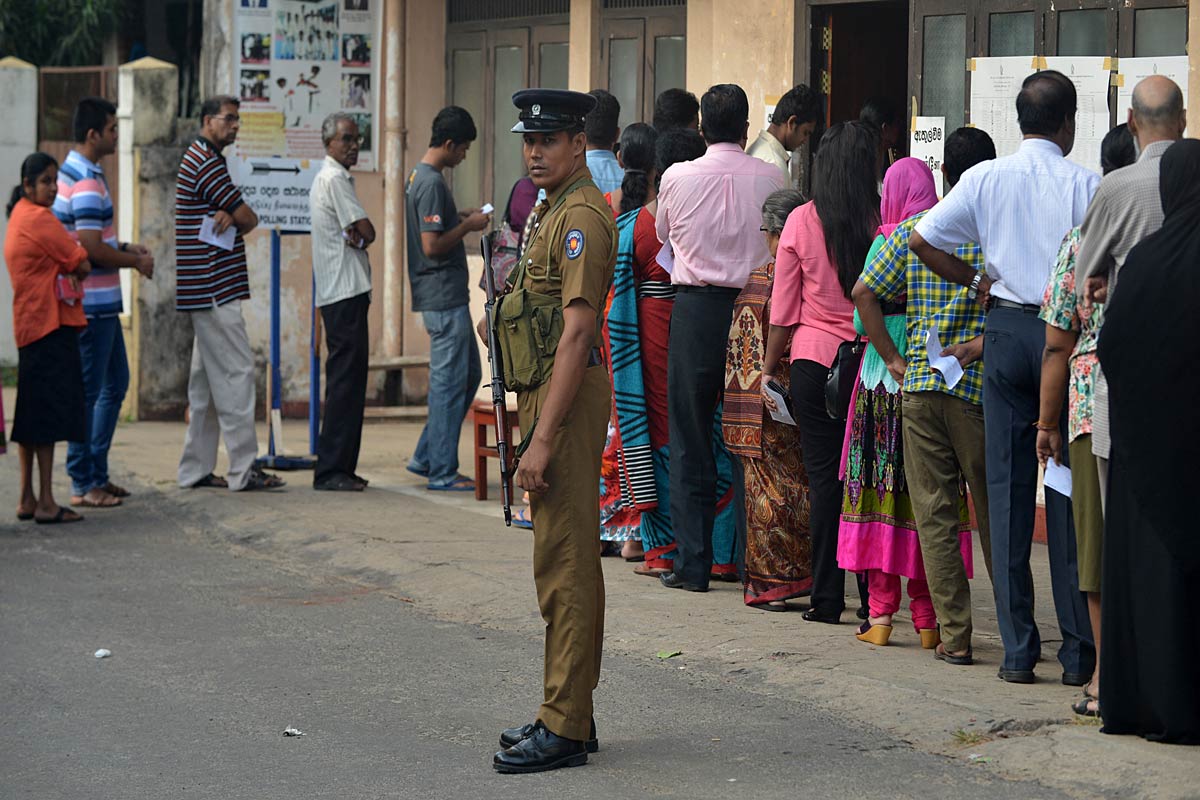
Sri Lanka's local government elections are set to take centre stage as the country continues its journey toward strengthened democratic governance and political accountability. Electoral authorities have begun preparations for what political analysts describe as a crucial test of public sentiment at the grassroots level.
The upcoming local elections represent an important milestone in Sri Lanka's democratic calendar, offering citizens across the island's municipal councils, urban councils, and pradeshiya sabhas the opportunity to choose their representatives. These polls will determine the leadership of local bodies responsible for essential services ranging from waste management and road maintenance to community development projects that directly impact daily life.
Electoral Commission Mobilises Resources
The Election Commission has initiated a comprehensive mobilisation effort to ensure smooth conduct of the polls. Officials have begun updating voter registers, identifying polling stations, and coordinating with security forces to guarantee a peaceful electoral environment. District-level returning officers have received instructions to complete preliminary arrangements within the coming weeks.
According to sources familiar with the preparations, the commission is placing particular emphasis on accessibility, ensuring that voters in remote areas have adequate facilities to exercise their franchise. Mobile registration units have been deployed to update voter lists in regions where demographic changes have occurred since the last local elections.
Political Parties Launch Grassroots Campaigns
Major political formations have already begun intensifying their outreach at the local level. Party organisers are conducting meetings with community leaders, while candidates are being finalised for contests across hundreds of local authority areas. The elections are expected to serve as a barometer of public opinion on national policies and local governance performance.
Political strategists suggest that local elections often reveal shifting allegiances that may not be apparent in national polling. The results could provide valuable insights into voter priorities concerning municipal services, infrastructure development, and local economic initiatives that affect communities directly.
Democratic Participation Takes Priority
Civil society organisations have welcomed the electoral process, emphasising the importance of local government in Sri Lanka's democratic framework. Civic education campaigns are being planned to encourage voter participation and inform citizens about the responsibilities of local councils in areas such as public health, sanitation, and urban planning.
The Election Commission of Sri Lanka has a constitutional mandate to conduct free and fair elections, and observers note that local polls provide an opportunity for testing new electoral technologies and procedures that may be implemented in future national elections.
Challenges and Opportunities Ahead
Electoral officials acknowledge several challenges, including ensuring adequate funding for polling operations, training sufficient numbers of polling staff, and managing logistical complexities in geographically diverse areas. However, they remain confident that established procedures and institutional experience will deliver credible results.
Local government elections also present an opportunity for new political voices to emerge. Independent candidates and smaller parties often perform well at this level, bringing fresh perspectives to municipal governance. This diversity strengthens democratic representation and ensures that local concerns receive appropriate attention from elected officials.
The timing of these elections comes as Sri Lanka continues to implement broader governance reforms aimed at improving transparency and accountability across all levels of government. Local councils are increasingly viewed as laboratories for innovative approaches to public service delivery, environmental management, and community engagement.
Looking Forward
As preparations continue, political parties are finalising their manifestos with promises addressing local priorities such as improved waste collection, better roads, enhanced recreational facilities, and more responsive municipal services. Voters will scrutinise these commitments carefully, drawing on their experiences with current local administrations.
The transparency and integrity of local elections remain paramount concerns for civil society watchdogs, who plan to deploy election monitors across the country. Their presence aims to ensure that voting proceeds without intimidation, inducement, or irregularities that could undermine public confidence in the democratic process.
With electoral machinery now in motion, Sri Lankans await official confirmation of polling dates. The local government elections will provide communities across the island with a direct voice in shaping their immediate environment and holding local leaders accountable for the quality of essential services that define everyday life.
Source: Ada Derana
No comments yet. Be the first to share your thoughts!