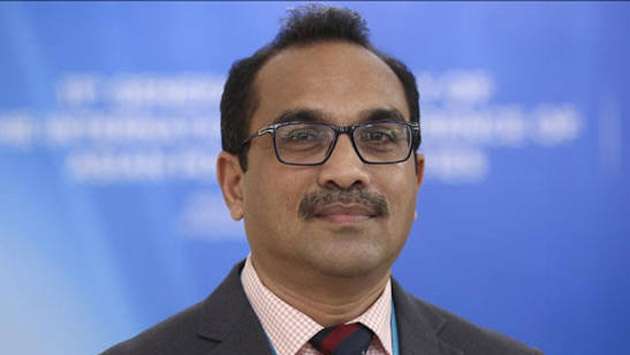
Leader of the House and Minister Bimal Ratnayake moved to quell mounting confusion over the "Rebuilding Sri Lanka Fund" on Tuesday, asserting that opposition claims about the non-existence of such a fund are attempts to mislead the public. Speaking in Parliament on 10 June 2026, Ratnayake clarified that the Rebuilding Sri Lanka Fund is simply a name assigned to an existing Deputy Secretary to the Treasury (DST) account, and that all monies received are directly credited to the government's consolidated fund.
The clarification comes amid heightened scrutiny of government financial mechanisms as Sri Lanka continues to navigate its post-crisis economic recovery. With donor confidence and fiscal transparency remaining critical to the nation's rehabilitation efforts, the semantics surrounding official accounts have become a flashpoint for political debate.
Opposition Allegations Spark Transparency Debate
Several opposition Members of Parliament have recently questioned whether a discrete fund named "Rebuilding Sri Lanka Fund" actually exists within the Treasury's structure. Critics have suggested that the absence of a standalone fund indicates a lack of accountability in how reconstruction donations and pledges are managed.
Ratnayake dismissed these concerns as politically motivated, stating that the designation is purely administrative. "The Rebuilding Sri Lanka Fund is not a separate entity. It is the name we have given to the Deputy Secretary to the Treasury's account for ease of reference," he told the House. "Every rupee that enters this account is immediately transferred to the consolidated fund, as per standard government procedure."
The consolidated fund represents the government's main repository for revenue and is subject to parliamentary oversight and auditing. Ratnayake emphasized that this mechanism ensures transparency and prevents any diversion of funds outside established fiscal controls.
Treasury Account Structure and Fund Management
Under Sri Lanka's public finance framework, the Deputy Secretary to the Treasury oversees various operational accounts that facilitate government receipts before consolidation. The practice of assigning thematic names to such accounts is not unprecedented, particularly when channeling foreign aid or donations earmarked for specific purposes such as post-disaster reconstruction or economic reform.
According to sources within the Finance Ministry, the DST account in question was established to streamline the receipt of international and domestic contributions pledged for Sri Lanka's recovery following the 2022 economic crisis. While the "Rebuilding Sri Lanka Fund" branding has been used in official communications and donor appeals, the legal and accounting reality is that it functions as a gateway rather than an independent fund with separate governance.
This distinction is significant. Independent funds typically have dedicated boards, separate audit trails, and specific disbursement criteria. By contrast, the DST account operates as a conduit, ensuring all receipts comply with the Treasury's established protocols before entering the consolidated fund.
Implications for Donor Confidence and Fiscal Credibility
The controversy underscores broader concerns about how Sri Lanka communicates its financial architecture to international partners. As the country continues its engagement with the International Monetary Fund and other multilateral creditors, maintaining clarity on fund flows is essential. The IMF's upcoming review is expected to scrutinize fiscal management practices closely, making administrative transparency a priority.
Analysts have noted that while the technical explanation provided by Minister Ratnayake is procedurally sound, the use of branding that suggests a discrete fund may have inadvertently fueled public confusion. "The government needs to be more explicit in its public communications," said one Colombo-based economist. "Donors and citizens alike deserve to understand exactly where their contributions are going."
Political Tensions Over Economic Governance
The debate over the Rebuilding Sri Lanka Fund reflects wider political tensions surrounding economic governance. Opposition parties have increasingly challenged the government's handling of recovery funds, demanding greater transparency in how reconstruction pledges are allocated and spent.
Ratnayake's statement is likely to prompt further questions in Parliament about the total amounts received through the DST account, the sources of those contributions, and how they have been deployed. The government has committed to publishing quarterly reports on fund utilization, though opposition MPs have called for more granular disclosure.
As Sri Lanka works to restore macroeconomic stability and rebuild investor confidence, clarity on financial instruments and transparent governance remain non-negotiable. Whether the current controversy will prompt reforms in how the Treasury brands and communicates its accounts remains to be seen, but the episode has already highlighted the delicate balance between administrative convenience and public accountability.
Source: Daily Mirror
No comments yet. Be the first to share your thoughts!