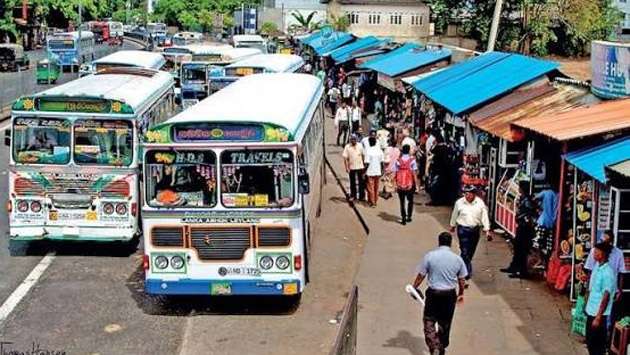
Commuters across Sri Lanka are bracing for significant transport disruptions starting tomorrow as private bus operators announced they will cut services by 50 percent in protest over mounting financial losses and the government's failure to grant fare relief. The drastic move comes as operators cite rising fuel costs, escalating operational expenses, and what they describe as unsustainable fare structures that have pushed many to the brink of closure.
The All Island Private Bus Owners' Association confirmed the decision following emergency meetings held over the weekend, warning that the service reduction could extend indefinitely unless authorities agree to negotiations on fare adjustments. The association represents thousands of private bus operators who provide essential transport services to millions of Sri Lankans daily, particularly on inter-provincial and long-distance routes.
Financial Pressures Mount for Operators
Private bus operators say they have been absorbing losses for months as diesel prices remain elevated despite global fluctuations in oil markets. According to industry sources, the average cost per kilometre for operating a private bus has increased by approximately 35 percent since early 2025, while fares have remained largely unchanged since the last government-approved revision in late 2024.
"We cannot continue to operate at a loss," said Gemunu Wijeratne, president of the All Island Private Bus Owners' Association, speaking to reporters on Saturday. "Our members are struggling to pay drivers, meet maintenance costs, and service loans. The government must understand that without a viable fare structure, the entire private transport system will collapse."
The timing of the dispute is particularly challenging for Sri Lanka's economy, which continues to navigate recovery amid ongoing IMF Sets 27 May for Sri Lanka's Critical Review Amid Rising Fuel Costs and fiscal constraints. Transport disruptions could impact productivity across multiple sectors and add to the cost pressures facing ordinary citizens already grappling with inflation.
Commuters Face Uncertain Week Ahead
The service reduction is expected to hit hardest during peak hours, with operators indicating they will prioritise morning and evening routes while significantly curtailing midday and weekend services. This could force thousands of office workers, students, and daily wage earners to seek alternative transport options at a time when personal vehicle ownership remains out of reach for many households.
Urban commuters in Colombo, Kandy, and Galle are likely to experience severe overcrowding on the limited buses that do operate, while those in rural areas may find themselves stranded with no viable alternatives. Three-wheeler operators and taxi services are already reporting increased booking requests as word of the impending disruption spreads.
Government Yet to Respond
As of Sunday evening, the government had not issued an official response to the operators' decision. Transport Ministry officials were reportedly in consultations with Treasury representatives to assess the fiscal implications of any potential fare increase, though sources suggest political sensitivities surrounding cost-of-living concerns may delay any immediate concessions.
Opposition politicians have criticised the government's handling of the situation, with several MPs calling for emergency talks to avert what they describe as an avoidable crisis. Consumer rights groups, meanwhile, have urged both sides to reach a compromise that balances operator sustainability with affordability for passengers.
Industry Calls for Long-Term Solutions
Beyond immediate fare relief, bus operators are pushing for structural reforms to the public transport sector, including fuel subsidies specifically targeted at essential services, streamlined licensing procedures, and government-backed financing schemes to help modernise aging fleets. Many operators point to successful models in neighbouring countries where public-private partnerships have stabilised transport services while maintaining affordability.
The standoff also highlights broader challenges facing Sri Lanka's transport infrastructure as the country attempts to rebuild its economy. Reliable, affordable public transport is crucial for workforce mobility and economic productivity, yet years of ad-hoc policy decisions have left the sector vulnerable to external shocks like fuel price volatility.
Commuters are advised to plan alternative arrangements for the coming days and to expect significant delays and overcrowding on available services. The situation remains fluid, with both operators and government officials facing mounting pressure to find a resolution before the disruption escalates further.
Source: Daily Mirror
No comments yet. Be the first to share your thoughts!