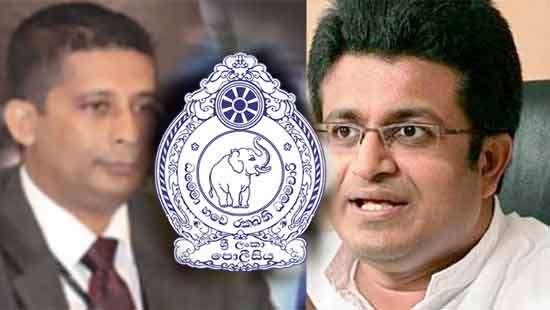
The Sri Lanka Police have officially dismissed recent public statements made by former Member of Parliament Udaya Gammanpila concerning the treatment of former State Intelligence Service (SIS) Director and retired Major General Suresh Sallay during his detention by the Criminal Investigation Department (CID). The Police rejection, announced on 6 June 2026, comes amid heightened scrutiny over detention conditions and the handling of high-profile investigations.
Gammanpila, a vocal political figure and lawyer known for his outspoken commentary on legal and security matters, had made claims regarding the conditions under which Sallay was held in CID custody. The former Pivithuru Hela Urumaya (PHU) leader alleged irregularities in the treatment of the retired military officer, sparking public debate about detention protocols for former senior security officials.
Official Police Response to Detention Claims
In their statement, police authorities categorically rejected Gammanpila's assertions, maintaining that all established procedures were followed during Sallay's detention. According to senior police sources, the retired Major General was treated in accordance with standard protocols applicable to all individuals in CID custody, regardless of their former positions or rank.
The Police Media Spokesperson emphasised that detention conditions are regularly monitored and comply with both domestic legal requirements and international human rights standards. "All detainees are afforded their constitutional rights, and any allegations to the contrary are thoroughly investigated," the spokesperson stated, adding that Gammanpila's claims lacked factual basis.
Background: Suresh Sallay's Detention
Retired Major General Suresh Sallay, who previously served as Director of the State Intelligence Service, has been a figure of interest in several ongoing investigations. His detention by the CID relates to matters connected to security operations during his tenure, though specific details of the investigation remain subject to legal confidentiality.
Sallay's case has attracted significant attention from both political circles and civil society organisations monitoring judicial processes involving former military and intelligence personnel. The involvement of high-ranking former officials in legal proceedings often raises questions about institutional accountability and the balance between national security interests and transparency.
Gammanpila's Political Stance
Udaya Gammanpila, who lost his parliamentary seat in recent elections, has maintained an active public presence through media statements and legal advocacy. His intervention in the Sallay case appears consistent with his broader political positioning on matters of national security and sovereignty.
Political analysts note that Gammanpila's statements may serve multiple purposes, including maintaining political relevance and positioning himself as a defender of military and intelligence personnel. However, the police rejection of his claims could potentially undermine his credibility on law enforcement matters.
Detention Standards and Human Rights Oversight
Sri Lanka's detention practices have faced periodic scrutiny from both domestic and international human rights organisations. The United Nations Human Rights Office maintains an ongoing monitoring presence in the country, particularly regarding detention conditions and treatment of prisoners.
Legal experts emphasise that even former high-ranking officials are entitled to the same fundamental rights as any other detainee, including access to legal counsel, humane treatment, and protection from arbitrary detention. At the same time, they note that such individuals do not receive preferential treatment based solely on their former positions.
The Criminal Investigation Department, which operates under the purview of the Inspector General of Police, is responsible for investigating serious crimes and maintaining custody of suspects during investigation periods. The department has its own internal oversight mechanisms, though transparency advocates continue to call for enhanced external monitoring.
Political Implications and Public Discourse
The exchange between Gammanpila and police authorities reflects broader tensions in Sri Lankan political discourse surrounding accountability, the role of security institutions, and the treatment of former officials. These debates have intensified in recent years as the country navigates post-conflict reconciliation alongside contemporary security challenges.
Opposition politicians and civil society groups have called for greater transparency in detention procedures, particularly for cases involving former military and intelligence personnel. Meanwhile, security establishment supporters argue that excessive scrutiny could compromise operational effectiveness and institutional morale.
As this matter continues to develop, both legal proceedings involving Suresh Sallay and the public discourse surrounding detention standards are likely to remain subjects of national interest. The police rejection of Gammanpila's claims serves as a reminder of the importance of evidence-based allegations and the consequences of unsubstantiated public statements regarding law enforcement operations.
Source: Daily Mirror
No comments yet. Be the first to share your thoughts!