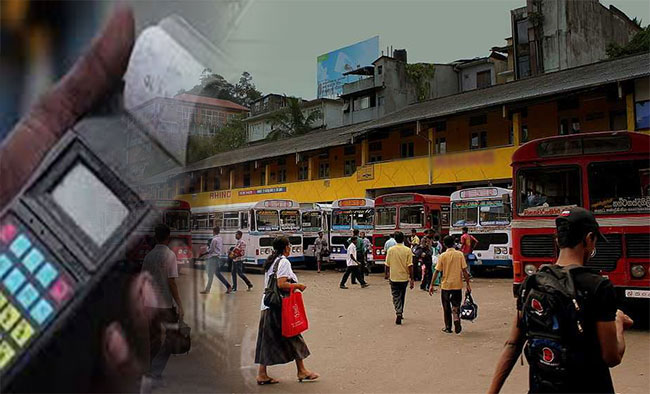
The National Transport Commission (NTC) has confirmed that bus fares will not be revised despite the recent increase in diesel prices, offering welcome relief to daily commuters across Sri Lanka. The decision was announced on Sunday, 31 May 2026, following consultations between the NTC and relevant stakeholders in the public transport sector.
The announcement comes at a time when fuel prices have fluctuated significantly, affecting operational costs for bus operators nationwide. However, the NTC has determined that current fare structures remain viable, sparing millions of Sri Lankans from additional transport expenses during an economically challenging period.
NTC Decision Brings Relief to Commuters
Speaking to media representatives, NTC officials indicated that the decision to maintain existing bus fares was reached after careful analysis of operational costs, fuel consumption patterns, and the financial burden on the travelling public. The commission acknowledged that while diesel prices have risen, other factors including route efficiency and passenger volumes have been taken into account.
For the average Sri Lankan who depends on public buses for daily commutes to work, school, and other essential activities, this decision represents significant savings. Transport costs constitute a substantial portion of household budgets, particularly for low and middle-income families in both urban and rural areas.
Impact on Private Bus Operators
The decision has been met with mixed reactions from private bus operators, who have expressed concerns about operating margins in the face of higher fuel costs. Representatives from bus owners' associations have previously warned that increased diesel prices could make certain routes commercially unviable, particularly those serving rural communities with lower passenger numbers.
Industry sources suggest that operators may need to explore alternative cost-saving measures, including improved vehicle maintenance schedules, driver training programmes to enhance fuel efficiency, and route optimization. The NTC has indicated its willingness to work collaboratively with operators to address operational challenges without passing costs onto passengers.
Government Subsidies and Support Mechanisms
While the NTC has not officially confirmed whether government subsidies will be extended to offset the impact of diesel price increases on bus operators, transport sector analysts suggest that some form of support mechanism may be under consideration. Previous instances of fuel price volatility have seen targeted interventions to maintain public transport affordability while ensuring service sustainability.
The Sri Lankan government has historically recognized public transport as an essential service requiring policy support to balance commercial viability with social accessibility. According to the World Bank, affordable public transport is crucial for economic participation and poverty reduction in developing economies.
Broader Economic Context
The diesel price hike itself reflects broader global energy market dynamics, with international crude oil prices responding to geopolitical tensions, production decisions by major oil-producing nations, and shifting demand patterns. Sri Lanka, as a net importer of petroleum products, remains vulnerable to these external price fluctuations.
Economic experts note that maintaining stable transport costs helps control overall inflation, as transport expenses ripple through the economy affecting goods distribution, service delivery, and consumer purchasing power. The NTC's decision therefore has implications beyond individual commuter budgets.
Looking Ahead
The National Transport Commission has indicated it will continue monitoring fuel price movements and their impact on the public transport sector. Officials have assured the public that any future decisions regarding fare revisions will be made transparently, with adequate notice given to commuters and operators alike.
For now, Sri Lankan commuters can continue their daily journeys without worrying about increased bus fares. The decision reinforces the NTC's mandate to balance the interests of service providers, passengers, and the broader public good in regulating the island's vital public transport network.
Transport sector observers will be watching closely to see how operators adapt to the cost pressures, and whether government support measures materialize to maintain service quality and route coverage across the country. As global fuel markets remain unpredictable, the NTC faces the ongoing challenge of ensuring affordable, accessible public transport for all Sri Lankans.
Source: Ada Derana
No comments yet. Be the first to share your thoughts!