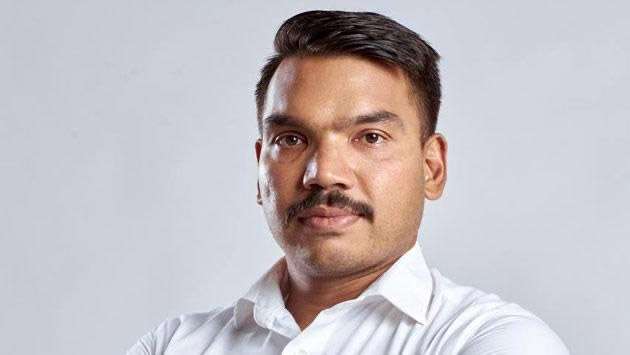
Sri Lanka Podujana Peramuna (SLPP) National Organizer Namal Rajapaksa has raised serious concerns about the treatment of Major General (Retd.) Suresh Sallay under the Prevention of Terrorism Act, questioning why human rights activists who have historically opposed the controversial legislation remain silent on this case.
Speaking on Sunday, June 7, 2026, Rajapaksa described the allegations raised by Sallay's legal counsel in court as "deeply troubling," highlighting what he perceives as selective outrage among civil society groups and international watchdogs who have campaigned against detention conditions under Sri Lanka's anti-terror laws.
The concerns were brought before the courts by lawyers representing the retired Major General, who reportedly detailed issues regarding his treatment while in custody. The Prevention of Terrorism Act has long been criticized by international bodies, including the United Nations and Amnesty International, for enabling arbitrary detention and facilitating rights abuses.
Political Implications of the Custody Case
Namal Rajapaksa's intervention marks a significant moment in Sri Lankan politics, particularly given his position within the SLPP and his family's historical association with military and security matters. The younger Rajapaksa questioned why those who previously campaigned vigorously against the PTA have not addressed Sallay's situation with the same urgency.
"Where are the voices that were so loud against the PTA when it came to other detainees?" Rajapaksa reportedly asked, suggesting a double standard in how different cases under the act are treated by activists and the media. His statement has reignited debate about the selective application of human rights advocacy in Sri Lanka's politically charged environment.
Major General Suresh Sallay, a decorated military officer who served during Sri Lanka's decades-long civil conflict, faces charges under the Prevention of Terrorism Act. The specifics of the allegations against him remain subject to ongoing legal proceedings, but his detention has attracted attention from various quarters of Sri Lankan society.
The Prevention of Terrorism Act Controversy
The Prevention of Terrorism Act, enacted in 1979, has been a source of international controversy for over four decades. Human rights organizations have consistently called for its repeal, citing provisions that allow for extended detention without charge, restrictions on access to legal counsel, and allegations of torture in custody.
In recent years, successive Sri Lankan governments have promised to reform or replace the PTA, particularly following pressure from the international community and the European Union, which linked trade benefits to human rights improvements. However, substantive changes have been slow to materialize, with security establishments arguing the law remains necessary for national security.
Namal Rajapaksa's comments add a new dimension to this ongoing debate. By highlighting Sallay's case, he appears to be challenging critics of the PTA to maintain consistency in their advocacy, regardless of the political or military background of those detained under the act.
Reactions from Civil Society and Legal Experts
As of Sunday evening, major human rights organizations operating in Sri Lanka had not issued public statements specifically addressing Sallay's custody conditions. Legal experts familiar with PTA cases have noted that all detainees, regardless of their background or the charges they face, are entitled to humane treatment and due process under both domestic and international law.
The silence that Rajapaksa highlighted may reflect the complex political dynamics surrounding cases involving former military officers, particularly those who served during sensitive periods of Sri Lankan history. Some activists may be navigating difficult terrain between upholding universal rights principles and avoiding perceptions of political bias.
What Happens Next
The court proceedings involving Major General Sallay are expected to continue in the coming weeks, with his legal team likely to press the allegations of mistreatment before judicial authorities. The case has the potential to become a test of Sri Lanka's commitment to international human rights standards in the treatment of all detainees under anti-terrorism legislation.
For Namal Rajapaksa and the SLPP, the issue presents an opportunity to shift the narrative around the PTA and challenge what they perceive as politically motivated criticism of the party and its policies. Whether civil society groups respond to his challenge, and how they do so, will likely influence the broader debate about detention practices and legal reform in Sri Lanka.
The case also raises fundamental questions about equality before the law and whether public figures, military veterans, and ordinary citizens receive equal protection and scrutiny when their rights are allegedly violated under controversial legislation.
Source: Daily Mirror
No comments yet. Be the first to share your thoughts!