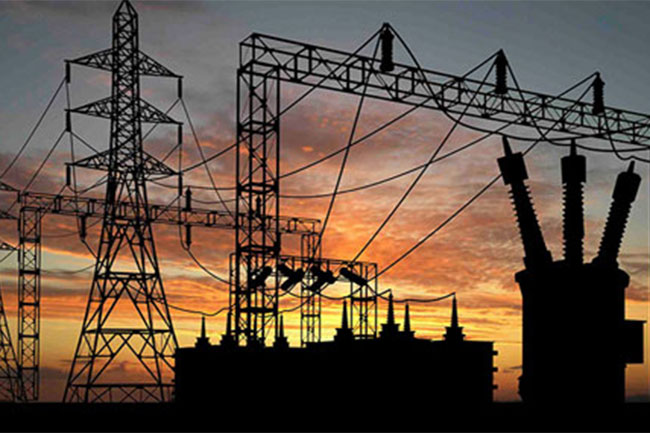
Electricity supply was temporarily interrupted across multiple regions of Sri Lanka, including the capital Colombo, on Saturday afternoon following an unexpected system imbalance within the national power grid. Energy Minister Anura Karunathilaka confirmed the disruption, assuring the public that technical teams are working to restore normalcy.
The outages, which began shortly before noon, affected residential, commercial and industrial consumers in several districts. Minister Karunathilaka stated that the interruption was caused by a sudden imbalance in the electricity generation and distribution network, though he did not specify the exact nature of the technical fault.
Extent of the disruption
While the full extent of the outages remains unclear, reports from across the island indicate that areas in the Western Province were among the hardest hit. Colombo residents took to social media to report power cuts lasting between 30 minutes to over an hour in some neighbourhoods.
Beyond the capital, areas in Gampaha, Kalutara, and parts of the Central Province also experienced interruptions. The Ceylon Electricity Board (CEB) has not yet released an official statement detailing the specific regions affected or the estimated number of consumers impacted by the disruption.
What causes grid imbalances?
System imbalances in power grids typically occur when there is a mismatch between electricity generation and consumption. According to the International Energy Agency, such disruptions can be triggered by sudden equipment failures, unexpected surges in demand, or issues with transmission infrastructure.
Sri Lanka's power grid operates on a delicate balance maintained by the CEB's system control centre, which monitors generation from thermal, hydro and renewable energy sources. Any disruption at a major power plant or transmission station can cascade through the network, forcing automatic safety shutoffs that result in widespread outages.
Government response and restoration efforts
Minister Karunathilaka sought to reassure the public that the situation was being addressed urgently. "Our technical teams are working around the clock to identify the root cause and restore full electricity supply to all affected areas," he said in a brief statement issued on Saturday afternoon.
The minister did not provide a timeline for complete restoration but indicated that power was being gradually restored to affected regions in a phased manner. He also urged the public to remain patient and to conserve electricity where possible to ease pressure on the grid during the recovery period.
Recurring power challenges
This incident comes amid broader concerns about the reliability of Sri Lanka's electricity infrastructure. Over the past several years, the country has grappled with fuel shortages, delayed maintenance schedules and ageing equipment that have strained the national grid.
In 2022 and 2023, Sri Lanka experienced prolonged power cuts during an economic crisis that severely limited fuel imports for thermal power generation. While the situation has improved since then, energy sector experts have repeatedly warned that investment in transmission infrastructure and generation capacity remains insufficient to meet growing demand.
The CEB has been exploring renewable energy expansion and improved grid management technologies to reduce reliance on fossil fuels and enhance system resilience. However, implementation has been slow, leaving the grid vulnerable to unexpected technical failures.
Impact on daily life and businesses
For ordinary Sri Lankans, even brief power interruptions can cause significant inconvenience. Households lose access to refrigeration, fans and essential appliances, while businesses face disruptions to operations and potential revenue losses.
The disruption on Saturday coincided with the weekend, which may have mitigated the impact on commercial and industrial activities. Nevertheless, the incident has reignited public debate about the need for urgent reforms and investment in the energy sector.
As authorities continue restoration efforts, the Energy Ministry is expected to release a detailed report on the cause of the system imbalance and measures being taken to prevent future occurrences. For now, consumers across the island await the return of stable, uninterrupted electricity supply.
Source: Ada Derana
No comments yet. Be the first to share your thoughts!