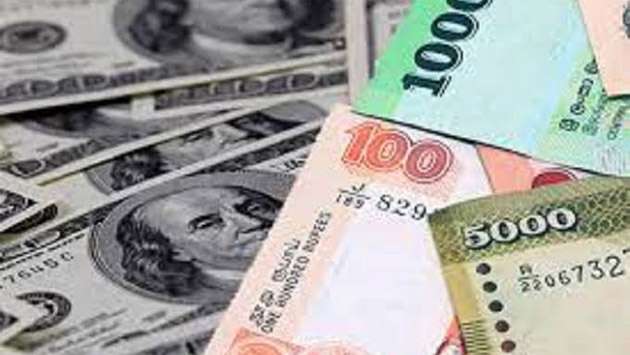
The Central Bank of Sri Lanka has issued the official exchange rates for Tuesday, 9 June 2026, recording the US dollar buying price at Rs. 332.3805 and the selling price at Rs. 342.08. The announcement reflects the monetary authority's ongoing efforts to maintain exchange rate stability amid global currency fluctuations and domestic economic pressures.
Financial institutions across the country will use these rates as the benchmark for foreign exchange transactions throughout the day. The spread between the buying and selling rates represents the margin within which commercial banks and authorised dealers operate when exchanging foreign currency with customers.
Understanding the Central Bank Exchange Rate System
The Central Bank of Sri Lanka publishes daily indicative exchange rates that serve as reference points for the broader market. These rates are determined based on overnight developments in international currency markets, domestic liquidity conditions, and prevailing supply and demand dynamics in the local foreign exchange market.
Commercial banks typically add their own margins to these indicative rates when quoting prices to retail customers. The spread announced today—nearly Rs. 10 between buying and selling rates—reflects transaction costs, operational expenses, and the inherent volatility in currency markets.
Currency dealers say the rates announced on 9 June show relative stability compared to recent volatility experienced in regional markets. Sri Lanka's foreign exchange market has witnessed significant movements over the past two years as the country navigates its economic recovery programme supported by the International Monetary Fund.
Impact on Businesses and Remittances
For Sri Lankan businesses engaged in international trade, these daily rates have immediate implications. Importers calculating the rupee cost of foreign purchases use the selling rate, while exporters converting their dollar earnings reference the buying rate. The exchange rate directly affects profit margins, pricing strategies, and competitiveness in global markets.
The remittance sector, a vital pillar of Sri Lanka's economy, also hinges on these rates. Sri Lankan workers abroad sending money home closely monitor exchange movements to maximise the rupee value of their foreign earnings. Financial service providers offering remittance channels typically quote rates close to the Central Bank's published figures, making today's announcement relevant to hundreds of thousands of families dependent on foreign income.
Tourist and Travel Sector Considerations
Tourism operators and travellers planning international trips also track these exchange rates carefully. The selling rate of Rs. 342.08 determines how much rupees will be required to purchase dollars for overseas travel, while incoming tourists benefit from the buying rate when converting foreign currency to local spending money.
As Sri Lanka's tourism industry continues its recovery trajectory, exchange rate stability becomes crucial for maintaining price competitiveness in the regional market. Tour operators say predictable currency movements help them plan packages and maintain consistent pricing for international visitors.
Broader Economic Context
The Central Bank's exchange rate announcement comes as Sri Lanka works to rebuild its foreign reserves and restore confidence in the rupee. The country's external sector has shown signs of improvement with increased export earnings, recovering tourism receipts, and steady remittance inflows contributing to foreign currency availability.
Economists note that maintaining exchange rate stability requires careful monetary policy management, adequate foreign reserve buffers, and confidence among market participants. The Central Bank of Sri Lanka has implemented various measures to support the foreign exchange market while allowing market forces to determine rates within managed parameters.
Market analysts suggest that the current exchange rate levels reflect improved macroeconomic fundamentals, including controlled inflation, fiscal consolidation efforts, and gradual economic growth. However, they caution that external shocks—such as global commodity price spikes or geopolitical tensions—could introduce volatility in the coming months.
For ordinary Sri Lankans, the exchange rate affects the cost of imported goods, from fuel and food items to electronics and pharmaceuticals. A stable rupee helps contain inflationary pressures and preserves purchasing power, making the Central Bank's daily rate announcements significant indicators of economic health.
Financial institutions and businesses will continue monitoring exchange rate movements closely, adjusting their strategies based on the Central Bank's daily guidance and broader market trends. The next rate announcement is expected tomorrow as the monetary authority maintains its daily publication schedule.
Source: Daily Mirror
No comments yet. Be the first to share your thoughts!