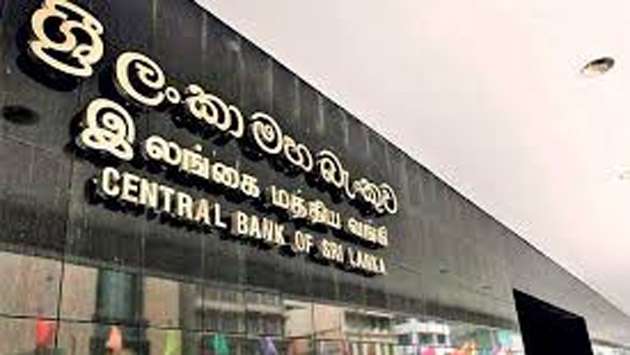
The Central Bank of Sri Lanka (CBSL) has decided to increase the Overnight Policy Rate (OPR) by 100 basis points to 8.75%, marking a significant shift in the country's monetary policy stance. The decision was announced following the Monetary Policy Board meeting held on Monday, 25 May 2026, and represents the first major rate hike in several months as the central bank responds to changing economic conditions.
The 100-basis-point adjustment brings the policy rate from 7.75% to 8.75%, a move that will ripple through commercial lending rates, deposit rates, and broader credit conditions across Sri Lanka's financial system. The decision reflects the central bank's assessment of inflation pressures, currency stability, and growth dynamics in the island nation's recovering economy.
Why the Central Bank Raised the Policy Rate
While the CBSL has not yet released a detailed statement outlining the rationale behind the rate increase, monetary policy decisions of this magnitude typically respond to several key economic indicators. Inflation trends, exchange rate volatility, and credit growth are among the primary factors that influence the Monetary Policy Board's deliberations.
Sri Lanka's economy has been on a recovery path following the severe economic crisis of 2022–2023, which saw foreign reserves plummet, inflation surge beyond 70%, and widespread shortages of essential goods. Since then, stabilisation measures supported by the International Monetary Fund (IMF) have helped restore macroeconomic balance. However, sustaining that stability requires careful calibration of interest rates to prevent overheating while supporting growth.
The Central Bank of Sri Lanka has maintained a relatively accommodative stance in recent quarters, but emerging inflationary pressures or concerns about credit expansion may have prompted this pre-emptive tightening.
Impact on Borrowers and Depositors
The policy rate increase will have immediate consequences for both borrowers and savers. Commercial banks typically adjust their prime lending rates in response to changes in the OPR, meaning that loans for housing, vehicles, and business expansion are likely to become more expensive in the coming weeks.
For households with variable-rate mortgages or personal loans, monthly repayments could rise as banks pass on the higher cost of funds. Small and medium enterprises (SMEs), which rely heavily on bank credit, may also face tighter financing conditions. This could slow consumption and investment spending in the short term.
On the flip side, depositors stand to benefit. Higher policy rates generally translate into better returns on fixed deposits and savings accounts, providing some relief to savers who have endured years of negative real interest rates during the high-inflation period.
Broader Economic Implications
The rate hike signals that the CBSL is prioritising inflation control and currency stability over aggressive growth stimulus. A stronger policy rate can help attract foreign investment into government securities, supporting the rupee and bolstering foreign reserves—both critical for a country still rebuilding its external buffers.
However, the move also presents trade-offs. Higher borrowing costs could dampen private sector activity and slow down the pace of economic recovery, particularly in interest-sensitive sectors such as construction and consumer durables. Policymakers will need to monitor these effects closely in the months ahead.
Economists and market analysts will be watching for the CBSL's official policy statement, which is expected to provide detailed insights into the board's economic projections, inflation forecasts, and forward guidance. The central bank's communication will be crucial in managing market expectations and ensuring that the rate adjustment does not trigger undue financial volatility.
What Comes Next for Sri Lankan Monetary Policy
This rate increase may not be the last. If inflationary pressures persist or external vulnerabilities re-emerge, the CBSL could opt for further tightening at subsequent Monetary Policy Board meetings. Conversely, if growth falters or global economic conditions deteriorate, the central bank retains the flexibility to reverse course.
The decision underscores the delicate balancing act facing Sri Lanka's monetary authorities as they navigate post-crisis recovery. Maintaining price stability, safeguarding the rupee, and fostering sustainable growth remain the core challenges—and interest rate policy is one of the most powerful tools at the central bank's disposal.
Market participants, businesses, and consumers will be adjusting their expectations and strategies in light of this development. For now, the 100-basis-point hike is a clear signal that the Central Bank of Sri Lanka is prepared to act decisively to safeguard macroeconomic stability.
Source: Ada Derana
No comments yet. Be the first to share your thoughts!