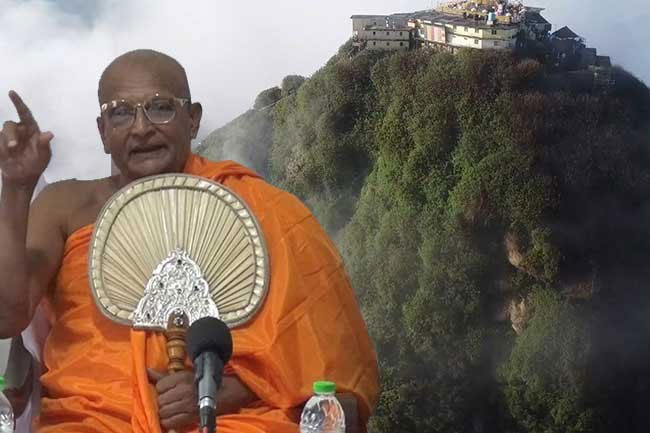
The annual Sri Pada pilgrimage season has officially concluded at midnight yesterday (30 May), marking the end of another spiritually significant period for thousands of devotees who climbed the sacred mountain. Venerable Bengamuwe Dhammadinna Thero, Chief Custodian of Sri Pada Rajamaha Viharaya, confirmed the closure of this year's pilgrimage season.
Sri Pada, also known as Adam's Peak, stands at 2,243 metres and draws pilgrims from across Sri Lanka and around the world during the traditional climbing season. The mountain holds profound religious significance for Buddhists, Hindus, Christians and Muslims alike, each venerating the summit's sacred footprint according to their own faith traditions.
A Season of Spiritual Devotion
The pilgrimage season typically begins in December, coinciding with the Unduvap Poya, and continues through the drier months when weather conditions are favourable for the challenging ascent. This year's season saw devotees from all walks of life undertaking the journey, many climbing through the night to witness the spectacular sunrise from the peak.
The climb to Sri Pada's summit involves ascending approximately 5,500 steps, a physically demanding journey that tests the endurance of even seasoned pilgrims. Despite the difficulty, the spiritual rewards and the sense of accomplishment upon reaching the top continue to draw people year after year.
Cultural and Religious Significance
For Buddhists, the footprint at the summit is believed to be that of Lord Buddha, left during his legendary visit to Sri Lanka. Hindus attribute it to Lord Shiva, while Christians and Muslims believe it to be the footprint of Adam. This remarkable confluence of religious traditions makes Sri Pada one of the few truly multi-faith pilgrimage sites in the world.
The pilgrimage routes themselves hold historical importance. The traditional Ratnapura-Palabaddala route remains the most popular path, though devotees also use the Hatton-Nallathanniya route and the challenging Kuruwita-Erathna trail. Each route offers its own unique experience, from bustling tea estates to dense mountain forests.
Infrastructure and Facilities
Over the years, facilities along the pilgrimage routes have improved significantly. Rest houses, small shops offering refreshments, and lighting installations have made the journey more accessible while preserving its spiritual essence. Medical facilities stationed along the routes provide emergency assistance to pilgrims who face difficulties during the climb.
The temple administration, under the guidance of Venerable Dhammadinna Thero, coordinates extensive preparations each season. Volunteers and temple staff work tirelessly to maintain the pathways, ensure safety measures are in place, and provide guidance to first-time pilgrims unfamiliar with the terrain.
Economic Impact on Local Communities
The pilgrimage season brings substantial economic benefits to communities surrounding Sri Pada. Small businesses, guesthouses, restaurants and transport services experience peak demand during these months. Local guides, known for their intimate knowledge of the mountain paths, find regular employment assisting pilgrims.
Tea estates in the region also benefit from increased tourism, as many pilgrims combine their spiritual journey with visits to nearby attractions. The seasonal influx of visitors provides crucial income for rural families who depend on pilgrimage-related activities.
As the season concludes, attention now turns to maintenance and preparation work for the coming year. Temple authorities will undertake repairs to pathways damaged by the constant foot traffic of thousands of pilgrims. The mountain will rest during the monsoon months, when heavy rains and mist make climbing dangerous.
Environmental conservation efforts have also gained prominence in recent years. The Central Environmental Authority works with temple management to ensure sustainable practices, including proper waste management systems to protect the fragile mountain ecosystem from the impact of mass pilgrimage.
For devotees who completed this year's climb, the memories of sunrise from the peak, the sound of temple bells echoing across the mountains, and the shared camaraderie with fellow pilgrims will sustain them until the season opens again. The spiritual significance of Sri Pada ensures that when December arrives, thousands will once again begin the sacred ascent, continuing a tradition that has endured for centuries.
Those interested in learning more about Sri Lanka's rich cultural heritage can explore resources from the Department of Archaeology, which documents the island's historical and religious sites.
Source: Ada Derana
No comments yet. Be the first to share your thoughts!