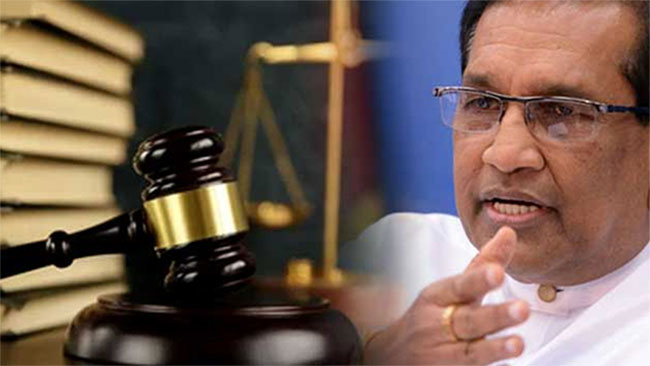
The Colombo Magistrate's Court has temporarily lifted the overseas travel ban imposed on former Minister of Fisheries Rajitha Senaratne, allowing the politician to travel abroad while he remains out on bail in connection with a corruption-related case. The decision, handed down on 26 May 2026, marks a significant development in the ongoing legal proceedings against the veteran parliamentarian.
Senaratne, a prominent figure in Sri Lankan politics who has served in multiple ministerial portfolios over several decades, has been subject to legal scrutiny following allegations related to financial irregularities during his tenure. The temporary lifting of the travel restriction enables him to leave the country for the first time since the ban was originally imposed, though specific conditions may apply to his movements.
Background of the Corruption Case
The corruption allegations against Rajitha Senaratne stem from his time as Minister of Fisheries, with investigators examining procurement processes and financial transactions that occurred under his watch. While the former minister has consistently maintained his innocence, the case has drawn considerable public attention given his long-standing presence in Sri Lanka's political landscape.
Senaratne first entered Parliament in 1989 and has held various cabinet positions including Minister of Health, Nutrition and Indigenous Medicine. His political career has spanned multiple governments, making him one of the more recognisable faces in contemporary Sri Lankan politics. The corruption charges have represented one of the most serious legal challenges of his lengthy career.
Court's Decision and Legal Implications
The Colombo Magistrate's Court did not provide extensive public commentary on the reasoning behind lifting the travel ban temporarily. Legal experts suggest such decisions typically balance the accused person's right to freedom of movement against flight risk concerns and the interests of ongoing investigations.
According to international human rights standards, restrictions on movement must be proportionate and justified. Sri Lankan courts regularly assess whether continued travel bans remain necessary as cases progress through the judicial system.
Senaratne's legal team would have needed to present compelling reasons for the court to grant this relief, potentially including medical requirements, family obligations, or professional commitments that necessitate international travel. The temporary nature of the lifting suggests the court maintains some ongoing concerns while acknowledging the former minister's current circumstances.
Political Ramifications
The decision arrives at a time when Sri Lanka's political establishment faces increased scrutiny over governance and accountability. Public trust in political institutions remains fragile following the economic crisis that shook the nation, and high-profile corruption cases continue to test the country's commitment to the rule of law.
Opposition figures and civil society organisations have long called for thorough investigations into alleged financial misconduct by politicians across party lines. The progress of cases like Senaratne's serves as a barometer for whether Sri Lanka's judicial system can hold powerful figures accountable regardless of their political connections.
What Happens Next
Despite the lifting of the travel ban, Rajitha Senaratne remains out on bail and must comply with other conditions set by the court. The underlying corruption case continues, and prosecutors will proceed with gathering evidence and preparing their arguments for trial.
The former minister will likely be required to inform the court of his travel plans and may need to surrender his passport again upon returning to Sri Lanka. Such arrangements are standard practice when courts grant temporary relief from travel restrictions to individuals facing serious criminal charges.
The case underscores ongoing debates about political accountability in Sri Lanka as the country works to rebuild its international reputation and attract investment. Tourism and economic recovery efforts, such as recent milestones in visitor arrivals, depend partly on perceptions of good governance and institutional integrity.
As the legal proceedings continue, observers will watch closely to see whether the case reaches a conclusion that satisfies public expectations for transparency and justice. For Rajitha Senaratne, the temporary lifting of the travel ban offers immediate relief but does not resolve the more fundamental questions about the allegations he faces.
Source: Ada Derana
No comments yet. Be the first to share your thoughts!