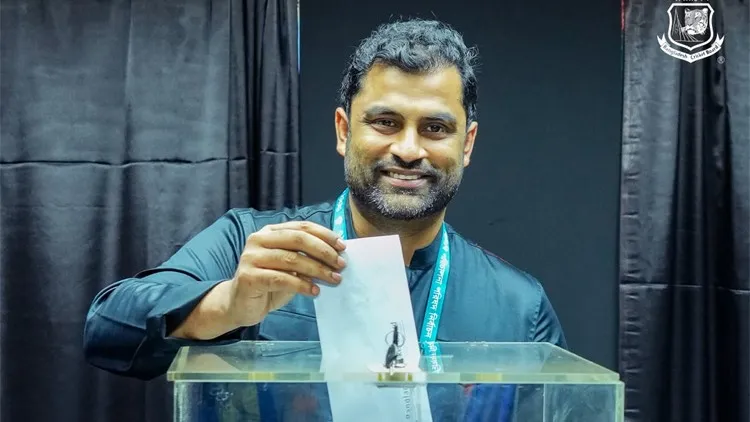
Former Bangladesh captain Tamim Iqbal has been elected as the new president of the Bangladesh Cricket Board (BCB), marking a transformative moment in the nation's cricket administration. The appointment, confirmed on 8 June 2024, sees one of Bangladesh's most accomplished cricketers transition from the playing field to the boardroom, bringing firsthand experience and a player's perspective to the country's cricket governance.
Tamim Iqbal's elevation to the BCB presidency represents a significant departure from traditional cricket administration in Bangladesh. Having retired from international cricket in 2023 after a distinguished career spanning over 15 years, the left-handed opening batsman now faces the challenge of shaping the future of Bangladesh cricket from an entirely different vantage point.
From Captain to Cricket Board President
The 35-year-old's journey from Bangladesh's most capped Test player to cricket administrator reflects a growing global trend of former players assuming leadership roles in sports governance. Tamim Iqbal captained Bangladesh across formats and scored over 15,000 international runs during his playing career, establishing himself as one of the nation's cricketing icons.
His appointment comes at a crucial juncture for Bangladesh cricket, which has made notable strides in recent years but faces persistent challenges in maintaining consistency at the highest level. Sources close to the BCB suggest that Tamim's playing experience and understanding of the modern game were decisive factors in his election.
Challenges Awaiting the New BCB Leadership
As BCB president, Tamim Iqbal inherits a complex portfolio that extends beyond the national team's performance. Infrastructure development, domestic cricket reforms, and player welfare are among the pressing issues demanding attention. Bangladesh's cricket ecosystem has long grappled with limited first-class opportunities and the need for improved facilities outside Dhaka.
The new president will also oversee Bangladesh's participation in upcoming International Cricket Council events and bilateral series, with expectations high that his insider knowledge will translate into better support systems for current players. His tenure begins during a period when Bangladesh cricket seeks to consolidate its position among cricket's elite nations.
Player Welfare and Development Focus
Industry observers anticipate that Tamim's administration will prioritise player welfare initiatives, drawing from his own experiences navigating the demands of international cricket. The former captain has previously been vocal about mental health support, workload management, and the need for transparent communication between the board and players.
Domestic cricket development is expected to feature prominently in his agenda. Bangladesh's premier domestic competition, the Dhaka Premier League, has faced criticism over fixture congestion and scheduling conflicts. Strengthening the first-class system to produce Test-ready cricketers remains a strategic imperative for Bangladesh's cricketing ambitions.
Regional Impact and International Relations
Tamim Iqbal's appointment has resonated across South Asian cricket circles, where he enjoyed considerable respect as a player. His relationships with cricket administrators and players across the region could prove valuable as Bangladesh navigates the complex landscape of international cricket diplomacy and scheduling.
The Asian cricket community has welcomed the appointment, with several former cricketers-turned-administrators expressing confidence in Tamim's ability to bridge the gap between players and management. His tenure could influence how other cricket boards approach leadership succession planning.
A New Chapter for Bangladesh Cricket
The BCB presidency represents uncharted territory for Tamim Iqbal, whose leadership credentials were established on the field rather than in committee rooms. However, his deep understanding of Bangladesh cricket's strengths and vulnerabilities positions him uniquely to drive meaningful change.
Stakeholders within Bangladesh cricket express cautious optimism about this transition. While Tamim's playing achievements are undisputed, success in cricket administration demands different skills—strategic thinking, consensus-building, and the ability to balance competing interests among stakeholders.
As Tamim Iqbal assumes his new role, the cricket world watches with interest to see whether his player-first philosophy will reshape Bangladesh cricket administration. His appointment signals a generational shift in cricket governance, one that could redefine the relationship between those who play the game and those who govern it.
Source: Daily Mirror
No comments yet. Be the first to share your thoughts!