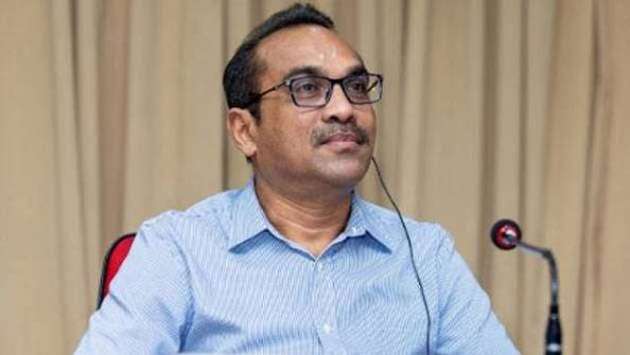
Sri Lanka will introduce a demerit system for traffic offenses in September 2026 as part of a nationwide pilot project, Transport, Highways and Urban Development Minister Bimal Rathnayake announced today. The initiative marks a significant shift in how the country manages road safety and driver accountability.
Speaking to reporters on 9 June, Minister Rathnayake outlined the government's commitment to modernising traffic enforcement mechanisms. The demerit point system, widely used in countries such as Singapore, Australia and the United Kingdom, penalises drivers by accumulating points against their licences for each violation. Once a threshold is reached, motorists face suspension or revocation of their driving privileges.
How the Traffic Demerit System Will Work
While full operational details are yet to be released, the demerit framework typically assigns a specific number of points to various offences—ranging from minor infractions like parking violations to serious breaches such as drunk driving or reckless endangerment. In similar systems overseas, drivers who accumulate a set number of points within a given period may be required to attend traffic awareness programmes, pay increased fines, or temporarily lose their licences.
The September pilot will test the infrastructure needed to track violations electronically, integrate records across the Department of Motor Traffic, and ensure transparency in enforcement. Minister Rathnayake emphasised that the pilot phase will allow authorities to refine the system based on real-world feedback before a full-scale national rollout.
Addressing Sri Lanka's Road Safety Crisis
Sri Lanka's road accident statistics paint a sobering picture. According to the World Health Organization, road traffic injuries remain a leading cause of death globally, with low- and middle-income countries bearing a disproportionate burden. Locally, thousands of accidents occur annually, many attributed to speeding, drink-driving, and disregard for traffic regulations.
The introduction of a demerit system aims to create a stronger deterrent by making penalties cumulative rather than isolated. Repeat offenders, who often pay fines and continue dangerous behaviours, will face escalating consequences that could ultimately remove them from the roads.
Public and Expert Reactions
Road safety advocates have cautiously welcomed the announcement, noting that enforcement consistency will determine the system's success. "A demerit system is only as effective as the institutions behind it," said a senior official from a local road safety NGO. "We need robust digital infrastructure, proper training for traffic officers, and public awareness campaigns to make this work."
Some motorists, however, have expressed concerns about potential corruption and arbitrary enforcement. Transparency measures, including accessible online portals where drivers can view their demerit points and challenge erroneous citations, will be crucial to building public trust.
Regional Context and Best Practices
Sri Lanka's move follows trends across South Asia, where governments are increasingly adopting technology-driven traffic management. India's Ministry of Road Transport and Highways has explored similar demerit frameworks in select states, while countries like Singapore have long employed stringent point-based systems alongside heavy fines.
Experts suggest Sri Lanka can learn from these precedents by avoiding overly punitive thresholds that frustrate drivers without improving behaviour, and by coupling the demerit system with education campaigns that explain the rationale behind each violation category.
What Comes Next
Between now and September, the Ministry of Transport is expected to finalise the points structure, publish offence categories, and roll out public information initiatives. Collaboration with the Sri Lanka Police and the Department of Motor Traffic will be essential to ensure seamless integration with existing databases.
Minister Rathnayake has pledged regular updates as the pilot progresses. If successful, the demerit system could become a cornerstone of Sri Lanka's broader road safety strategy, complementing investments in better road infrastructure, vehicle inspections, and pedestrian protections.
For now, drivers across the island are advised to stay informed about the new regulations and brush up on traffic laws. The era of consequence-free repeat violations may soon be over.
Source: Daily Mirror
No comments yet. Be the first to share your thoughts!