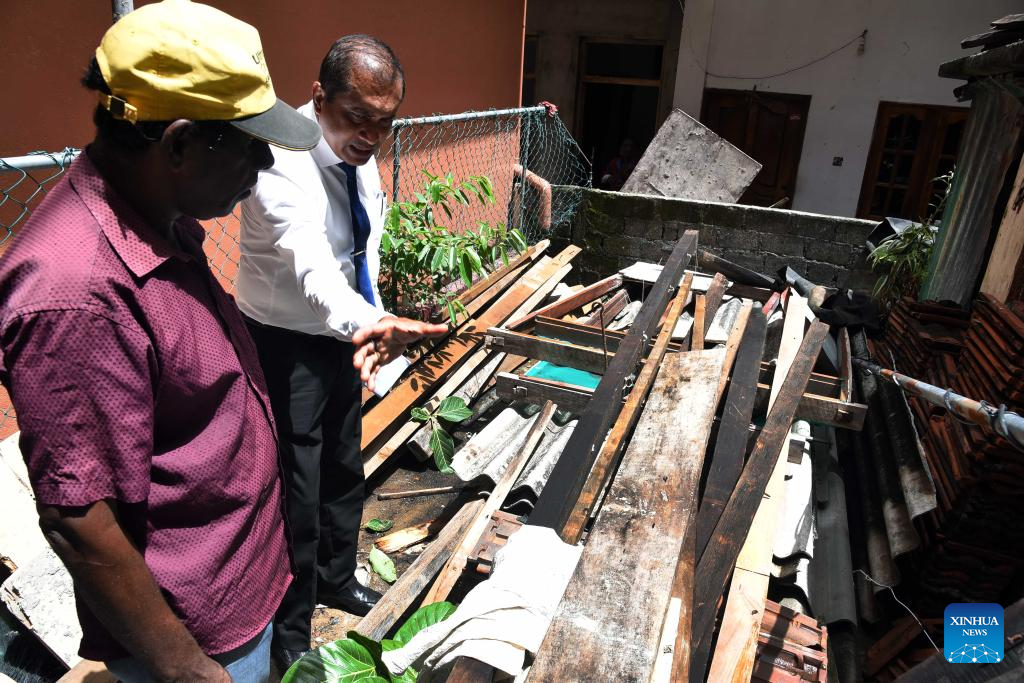
More than 70,000 premises across Sri Lanka were inspected on the first day of a three-day special national dengue mosquito control programme launched by the Ministry of Health and Mass Media, officials confirmed on Sunday.
The intensive drive, which commenced over the weekend, marks the government's latest effort to curb the spread of dengue fever as Sri Lanka continues to battle seasonal outbreaks of the mosquito-borne disease. Health authorities have deployed teams nationwide to identify and eliminate potential Aedes mosquito breeding sites in residential, commercial, and public spaces.
The scale of the operation reflects growing concerns about dengue transmission rates, particularly during the monsoon season when stagnant water provides ideal conditions for mosquito larvae to develop. By targeting tens of thousands of locations in a concentrated timeframe, health officials aim to disrupt the breeding cycle before mosquito populations surge.
Nationwide Mobilisation Against Dengue Breeding Sites
The Ministry of Health and Mass Media coordinated the deployment of public health inspectors, community health workers, and volunteers to conduct the widespread inspections. Teams visited homes, schools, construction sites, and commercial establishments to check for water accumulation in containers, discarded tyres, roof gutters, and other potential breeding habitats.
During inspections, officials provided guidance to property owners on eliminating standing water and maintaining clean surroundings. Properties found harbouring mosquito larvae faced immediate remedial action, with some cases referred for potential legal proceedings under public health regulations.
The three-day campaign builds on previous mosquito control initiatives that have become increasingly frequent as Sri Lanka grapples with recurring dengue outbreaks. Health experts stress that sustained community participation remains essential to long-term disease prevention.
Rising Dengue Cases Prompt Urgent Action
Sri Lanka has reported fluctuating dengue case numbers in recent years, with certain districts experiencing particularly severe outbreaks. The disease, transmitted by the Aedes aegypti and Aedes albopictus mosquitoes, can cause severe flu-like symptoms and, in serious cases, potentially fatal complications such as dengue haemorrhagic fever.
According to the World Health Organization, dengue incidence has grown dramatically worldwide in recent decades, making vector control measures increasingly critical. In tropical countries like Sri Lanka, where climatic conditions favour year-round mosquito activity, consistent prevention efforts prove vital to protecting public health.
The Ministry has repeatedly urged citizens to adopt simple preventive measures, including covering water storage containers, clearing blocked drains, and disposing of items that collect rainwater. These individual actions, when practised widely, significantly reduce mosquito populations and disease transmission rates.
Community Responsibility in Disease Prevention
Health officials emphasised that the success of the national programme depends heavily on public cooperation. While government teams can inspect premises and identify violations, sustained dengue control requires property owners to maintain vigilance between official inspections.
"Every household has a role to play in preventing dengue," a senior health official noted. "Five minutes spent checking your premises for stagnant water can prevent weeks of illness for your family."
The three-day campaign will continue through the coming days, with inspection teams working across all provinces. Authorities have encouraged residents to prepare for visits by ensuring their properties comply with anti-dengue guidelines. Those found in violation may face fines or other penalties designed to compel compliance with public health standards.
Long-Term Strategy Beyond the Three-Day Drive
While the intensive inspection programme addresses immediate concerns, health experts acknowledge that controlling dengue requires ongoing efforts rather than sporadic campaigns. The Ministry has indicated plans to strengthen routine surveillance systems and enhance community education programmes.
Previous national drives have demonstrated temporary success in reducing mosquito populations, but maintaining those gains necessitates consistent follow-through. Some public health advocates have called for more resources to be allocated to year-round vector control rather than relying primarily on emergency responses.
As Sri Lanka confronts dengue alongside other health challenges, the coordination demonstrated during this three-day initiative offers a template for future public health mobilisations. The high number of premises inspected on day one suggests strong institutional commitment, though the ultimate measure of success will be whether dengue case numbers decline in the weeks ahead.
Residents can support the campaign by reporting potential breeding sites through local public health offices and participating in community clean-up activities. With mosquito control remaining a shared responsibility, the nation's success in combating dengue depends on sustained engagement from government and citizens alike.
Source: Daily Mirror
No comments yet. Be the first to share your thoughts!