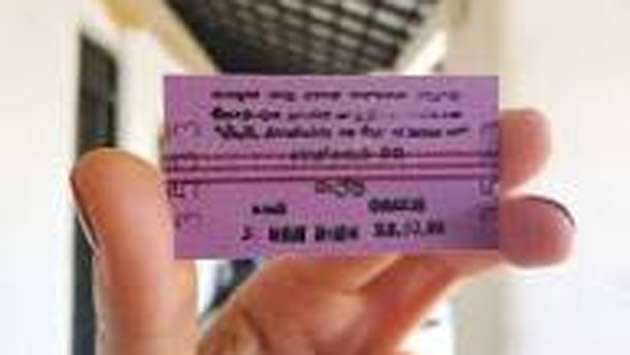
Commuters on the Kelani Valley railway line will not be charged for their morning journeys today, 9 June 2026, after the newly introduced electronic ticketing system suffered a sudden outage. The Railways Department confirmed the disruption early this morning, leaving thousands of passengers travelling without tickets as engineers work to restore the system.
The technical failure affects one of Colombo's busiest suburban routes, which serves densely populated areas including Nugegoda, Homagama, Maharagama, and Avissawella. The line typically carries tens of thousands of passengers daily, many of whom rely on the service to reach offices, schools, and markets in the capital.
System Crashes Hours After Morning Peak Begins
According to railway officials who spoke on condition of anonymity, the ticketing platform went offline around 5:45 am, just as the first wave of morning commuters began boarding trains at suburban stations. Staff at ticket counters initially attempted manual workarounds, but the scale of the passenger volume made it impossible to process fares using backup methods.
"We have instructed station masters along the Kelani Valley line to allow passengers to board without purchasing tickets until further notice," a Railways Department spokesperson confirmed in a brief statement issued at 7:21 am. "Our technical team is working urgently to identify the cause of the outage and restore normal operations."
The disruption comes barely three weeks after the department rolled out the digital ticketing infrastructure across the Kelani Valley line as part of a broader modernisation push. The system, which replaced decades-old manual ticketing procedures, was intended to reduce queuing times and improve revenue collection.
Passengers Express Frustration and Relief
Commuters interviewed at Nugegoda station voiced mixed reactions. Damith Perera, a bank employee who travels daily from Homagama, described the confusion. "Nobody knew what was happening at first. Then station staff told us to just get on the train. It's free travel today, but I'd rather have a system that works."
Others welcomed the temporary reprieve from fare payments. Nimalka Fernando, a schoolteacher from Maharagama, noted that "every rupee counts" for families managing tight budgets. "If the system isn't working, at least they're not making us wait or turning us away."
However, several regular passengers expressed concern about the reliability of the new technology. The Kelani Valley line serves a corridor where public transport remains the primary means of mobility for lower and middle-income households, and any prolonged disruption could have significant economic and social consequences.
Modernisation Efforts Face Technical Hurdles
The ticketing system failure is the latest setback in Sri Lanka's efforts to upgrade transport infrastructure. While the government has invested heavily in digital platforms across multiple sectors, implementation challenges have repeatedly hampered rollout schedules. Similar issues have affected tourism and immigration systems in recent months, raising questions about vendor selection and system testing protocols.
Transport analysts point out that railway modernisation projects require not only hardware and software investments but also rigorous stress testing and contingency planning. "You can't simply flip a switch on a system that serves this many people without having robust backup procedures in place," said Dr. Rohan Samaraweera, a logistics researcher at the University of Colombo.
Revenue Loss and Restoration Timeline Unclear
The Railways Department has not yet provided an estimate of the revenue loss resulting from today's free travel arrangement. Given typical weekday ridership figures on the Kelani Valley line, the shortfall could run into hundreds of thousands of rupees, depending on how long the outage persists.
Officials declined to specify a timeline for restoring the ticketing system, stating only that engineers are "working around the clock" to resolve the issue. The department has promised to issue updates via its official channels as the situation develops.
Passengers are advised to check with station staff before purchasing tickets for afternoon and evening services, as the system's status may change throughout the day. Those who travel during the outage period will not be required to pay retroactively once services resume.
The incident underscores the delicate balance between technological advancement and operational reliability in critical public services. As Sri Lanka continues its push toward digital governance and smart infrastructure, ensuring that new systems can withstand real-world demands remains a pressing challenge for policymakers and administrators alike.
Source: Daily Mirror
No comments yet. Be the first to share your thoughts!