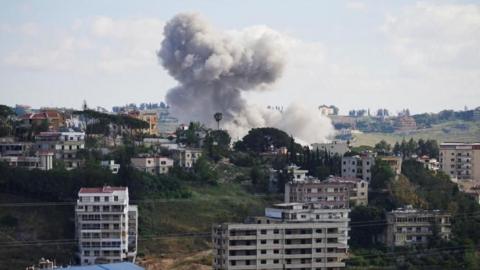
Iran has strongly condemned the United States for what it describes as a "gross violation" of a recently established ceasefire, following air strikes launched by American forces on Iranian territory over the past 48 hours. The escalation marks a dangerous turning point in relations between Washington and Tehran, raising concerns among international observers about the fragility of diplomatic agreements in the volatile region.
Iranian officials issued a sharp rebuke on Tuesday evening, accusing the US of undermining peace efforts and disregarding the terms agreed upon during delicate negotiations. The strikes, which reportedly targeted military installations in western Iran, have prompted urgent calls for restraint from regional powers and international bodies monitoring the situation.
Details of the US Military Action Against Iran
According to Iranian military sources, American warplanes conducted at least three separate bombing runs targeting facilities near the cities of Kermanshah and Ilam between Sunday evening and Tuesday morning. The strikes allegedly destroyed infrastructure linked to Iran's Revolutionary Guard Corps, though US officials have yet to provide detailed justification for the operations.
Tehran claims the attacks resulted in significant material damage and caused casualties among military personnel, though exact figures have not been independently verified. Iranian state media broadcast footage showing plumes of smoke rising from what authorities identified as military compounds, alongside images of debris scattered across installation grounds.
The timing of these strikes has puzzled analysts, coming just weeks after both nations appeared to reach a tentative understanding aimed at de-escalating long-standing tensions. The ceasefire agreement, brokered with assistance from regional mediators, was supposed to create breathing space for broader diplomatic engagement on issues ranging from nuclear capabilities to sanctions relief.
International Response to Ceasefire Breach
The United Nations has expressed concern over the reported violations, with the Secretary-General's office calling for both parties to exercise maximum restraint and return to dialogue. Several European nations have echoed these sentiments, warning that renewed hostilities could destabilize an already fragile Middle Eastern security landscape.
Russia and China, traditional allies of Iran, have issued statements supporting Tehran's position and questioning the legality of unilateral military action. Moscow's Foreign Ministry specifically called the strikes "unacceptable" and urged Washington to respect international norms governing armed conflict and ceasefire arrangements.
Regional Powers Weigh In
Saudi Arabia and the United Arab Emirates, often at odds with Iran on regional matters, have adopted cautious positions. While neither country has explicitly condemned the American action, diplomatic sources suggest Gulf states are quietly urging de-escalation, fearful that broader conflict could disrupt energy markets and threaten their own security interests.
Turkey has offered to mediate between the two sides, with President Erdoğan's administration proposing emergency talks in Ankara. Iraqi officials, whose territory borders both Iran and US military installations, have expressed deep anxiety about being caught in the crossfire of any expanded confrontation.
Implications for Future Diplomatic Efforts
The breakdown of this ceasefire carries profound implications for future peace initiatives between Washington and Tehran. Trust between the two nations, already minimal, has suffered another severe blow. Diplomats involved in previous negotiations privately admit that rebuilding momentum toward comprehensive agreements will prove extraordinarily difficult.
American defence analysts suggest the strikes may have been prompted by intelligence indicating imminent threats to US personnel or allies in the region. However, the absence of transparent communication about such justifications has fuelled Iranian accusations of bad faith and strategic opportunism.
Economic consequences are also emerging. Oil prices jumped nearly four percent on Tuesday as markets absorbed news of the strikes, with traders expressing concern about potential disruptions to Persian Gulf shipping lanes. Iranian officials have not ruled out retaliatory measures, though they have stopped short of explicit threats.
What Comes Next
As diplomatic channels work overtime to prevent further deterioration, the coming days will prove critical. Iran has demanded an emergency session of the UN Security Council to address what it characterizes as American aggression. Whether this latest crisis can be contained or will spiral into broader confrontation remains uncertain.
For now, the international community watches nervously as two long-time adversaries edge closer to direct conflict, with the fragile ceasefire lying in tatters and few obvious pathways toward renewed peace.
Source: Ada Derana
No comments yet. Be the first to share your thoughts!