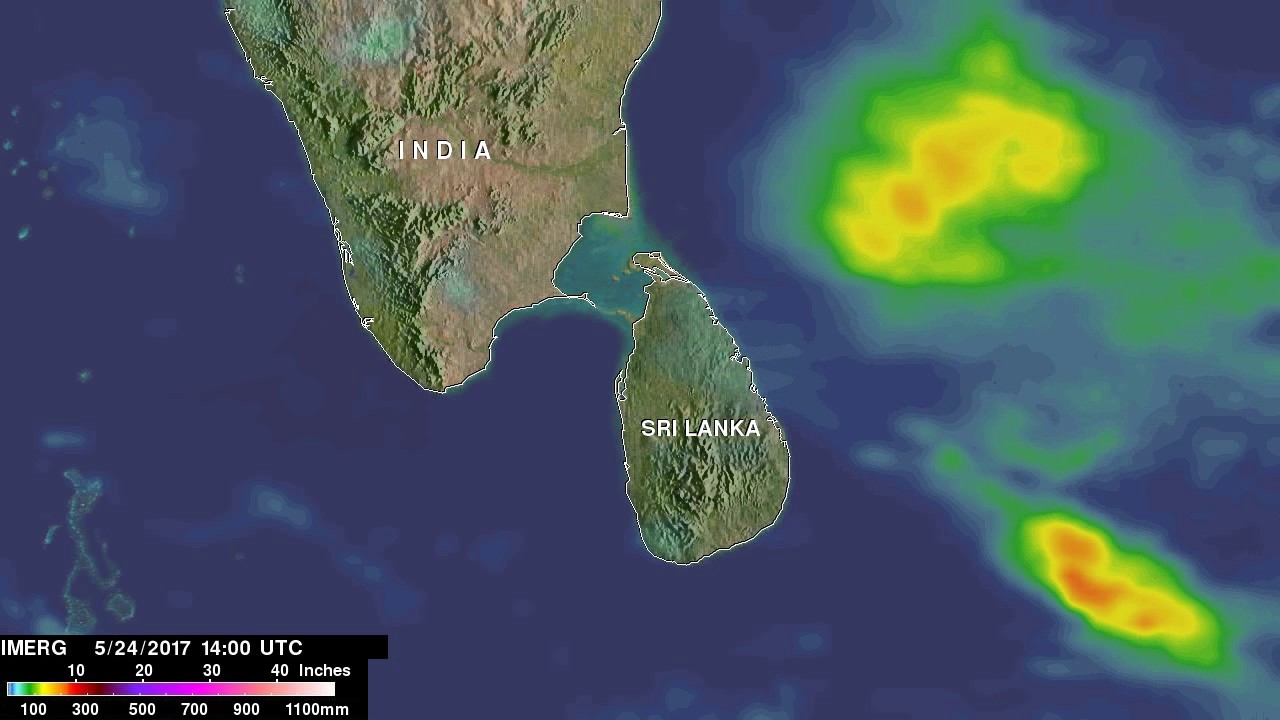
Heavy rainfall is expected across several parts of Sri Lanka today as the Southwest Monsoon gradually establishes itself over the island, the Department of Meteorology announced early Tuesday morning. The southwestern regions are likely to experience the most significant increase in precipitation as the seasonal weather pattern intensifies.
According to meteorological officials, the monsoon system—which typically brings the bulk of Sri Lanka's annual rainfall between May and September—is now gaining strength across the Indian Ocean region. Residents in affected areas are advised to prepare for sudden downpours and possible localised flooding as rainfall activity picks up throughout the day.
Southwest Monsoon Brings Rainfall Surge to Island
The Department of Meteorology issued its warning in the early hours of Tuesday, 26 May 2026, noting that the Southwest Monsoon's gradual establishment will trigger a marked increase in rainfall over the southwestern parts of the country. This seasonal transition is a critical period for Sri Lanka's agriculture, water resources, and disaster preparedness systems.
Meteorological data indicates that the monsoon winds are strengthening over the Bay of Bengal and the Arabian Sea, creating favourable conditions for sustained rainfall across the southwestern quadrant of the island. Districts including Colombo, Gampaha, Kalutara, Galle, and Matara are expected to receive the heaviest precipitation.
Which Areas Will See the Most Rain Today?
While the Southwest Monsoon affects the entire island to varying degrees, the southwestern coastal belt and adjacent inland areas typically bear the brunt of the initial rainfall surge. The Department of Meteorology has highlighted that afternoon and evening showers are particularly likely, with some areas potentially experiencing thunderstorms accompanied by strong winds.
The Western Province and Sabaragamuwa Province are among the regions most likely to see significant rainfall today. Residents in hilly areas should remain vigilant for landslide risks, especially in districts where soil saturation levels have already increased from recent pre-monsoonal showers.
Urban Flooding Concerns in Colombo and Suburbs
Colombo and its densely populated suburbs face heightened risks of urban flooding during heavy monsoon rains. The city's drainage infrastructure, already strained during peak rainfall events, may struggle to cope with sudden downpours. Commuters should anticipate traffic delays and waterlogging in low-lying areas.
Local authorities have been placed on alert to respond quickly to any flood emergencies. The Disaster Management Centre continues to monitor weather conditions closely and coordinate with provincial disaster management units to ensure rapid response capabilities.
Preparing for the Monsoon Season Ahead
The establishment of the Southwest Monsoon marks the beginning of Sri Lanka's primary rainy season, which will continue through September. This period is crucial for replenishing the island's reservoirs, supporting paddy cultivation, and sustaining hydropower generation—all vital components of the national economy.
However, the monsoon also brings challenges. Agricultural communities must balance the benefits of adequate rainfall with the risks of crop damage from excessive precipitation. Fishermen, particularly those operating small craft along the southwestern coast, are advised to heed marine weather warnings issued by the Department of Meteorology.
The Disaster Management Centre has urged the public to stay informed through official channels and take necessary precautions. This includes securing loose items outdoors, clearing drainage channels around properties, and avoiding unnecessary travel during heavy rainfall periods.
Climate Patterns and Long-Term Outlook
Meteorologists note that this year's Southwest Monsoon appears to be arriving within its typical seasonal window. While early-season predictions suggest normal to slightly above-normal rainfall for the southwestern regions, weather patterns remain dynamic and subject to change based on broader atmospheric conditions across the Indian Ocean.
Farmers and water resource managers will be watching rainfall totals closely over the coming weeks. Adequate monsoon performance is essential for food security and economic stability, making the seasonal forecast a matter of national importance.
As the day progresses, residents across the southwestern parts of Sri Lanka should remain alert to weather updates and be prepared for sudden changes in conditions. The Department of Meteorology continues to issue regular bulletins to keep the public informed as the Southwest Monsoon establishes itself across the island.
Source: Ada Derana
No comments yet. Be the first to share your thoughts!