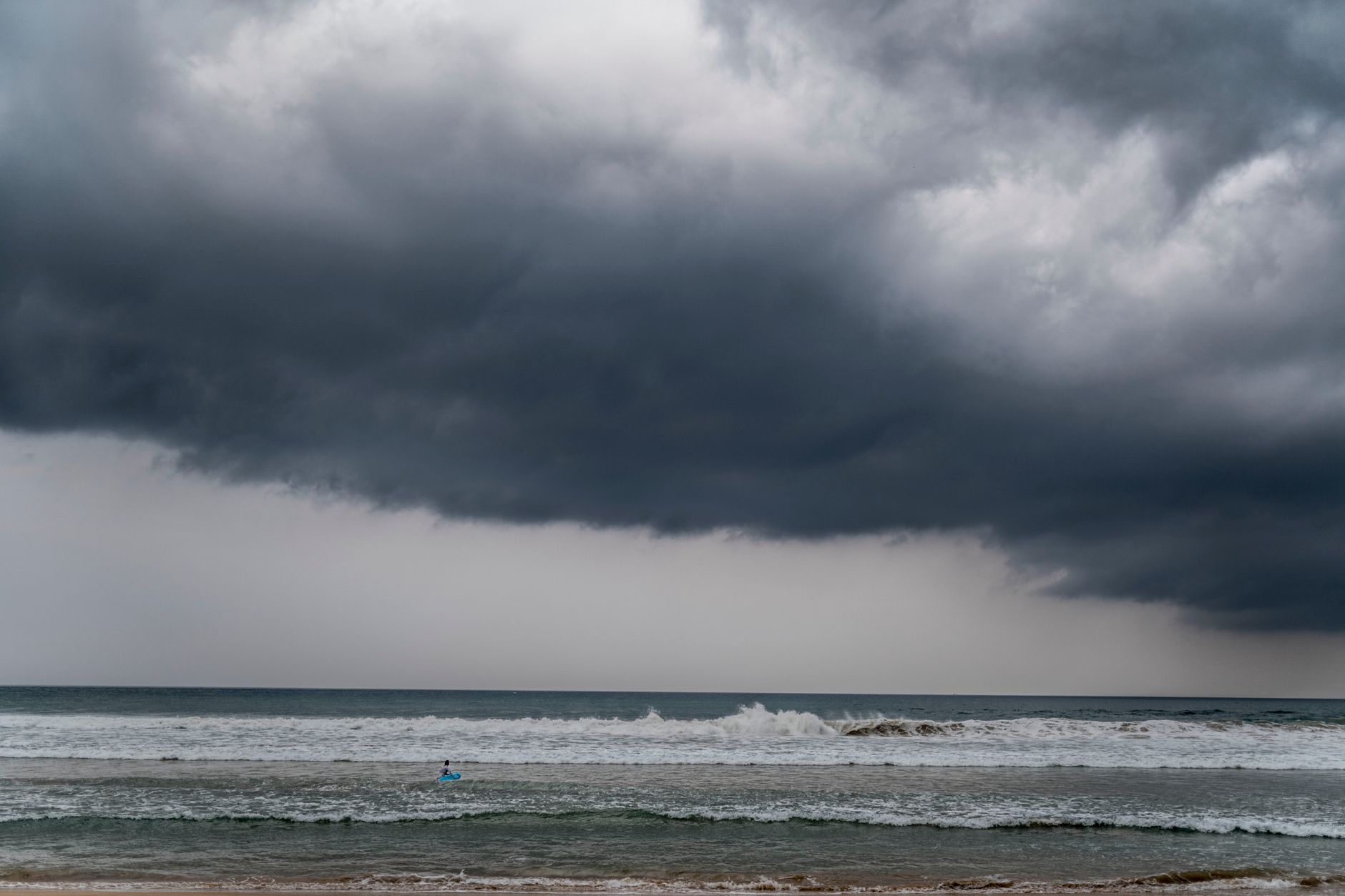
Sri Lanka is bracing for a spell of heavy rain and strong winds today (11 June), with the Meteorology Department issuing a comprehensive weather warning for most parts of the island. The latest forecast indicates widespread showers, isolated heavy rainfall, and gusty winds that could disrupt daily activities and pose risks to vulnerable communities.
The advisory comes as the southwest monsoon continues to influence weather patterns across the country, bringing moisture-laden winds that are expected to trigger substantial rainfall in several provinces. Residents and authorities alike are urged to remain vigilant and take necessary precautions throughout the day.
Weather Alert for Multiple Provinces
According to the Department of Meteorology, showers or thundershowers are expected at times in Western, Sabaragamuwa, Central, Southern, and North-western provinces. These areas are likely to experience the most persistent rainfall, with some locations receiving heavy downpours that exceed 100mm within a 24-hour period.
The Northern and North-central provinces will also see showers or thundershowers developing during the evening or night, though the intensity may be less severe compared to the southwestern regions. Coastal areas are particularly vulnerable, with strong winds expected to whip up rough seas and create hazardous conditions for fishing and maritime activities.
Heavy Rainfall and Wind Warnings
The Meteorology Department has specifically warned about isolated heavy rainfall exceeding 100mm in parts of Western, Sabaragamuwa, Central, and North-western provinces. Such intense precipitation can lead to flash flooding, landslides in hilly terrain, and waterlogging in urban areas with poor drainage infrastructure.
Strong winds reaching speeds of 40-50 kilometres per hour are forecast across the island, with particular intensity expected in the Northern, North-central, North-western, and Central provinces, as well as in Hambantota and Trincomalee districts. These gusty conditions could damage temporary structures, uproot trees, and create dangerous situations for outdoor activities.
Impact on Coastal and Fishing Communities
Maritime authorities have issued warnings for fishermen and small craft operators, advising them to exercise extreme caution or avoid venturing into the sea. The combination of strong winds and heavy rain could generate rough seas with high waves, making fishing operations particularly hazardous along the western and southwestern coasts.
Coastal communities are also being advised to remain alert for possible tidal surges and erosion, especially in areas where sea defenses have been weakened by previous weather events.
Public Safety Recommendations
Authorities are urging the public to stay informed about weather updates throughout the day and to take appropriate safety measures. Residents in flood-prone and landslide-risk areas should be particularly vigilant and prepared to evacuate if conditions deteriorate rapidly.
The Disaster Management Centre has activated its emergency response mechanisms, with district-level officials placed on high alert. Emergency services are positioned to respond quickly to any incidents arising from the adverse weather conditions.
Motorists are advised to drive carefully due to reduced visibility and potentially slippery road conditions. Urban areas may experience traffic disruptions due to waterlogging, while rural roads in hilly regions could become impassable due to landslides or fallen trees.
Preparedness Measures
Experts recommend that households secure loose outdoor items, clear drainage channels around their properties, and keep emergency supplies readily accessible. Those living in vulnerable structures should consider seeking temporary shelter with relatives or at designated safe locations if conditions worsen.
The Disaster Management Centre has activated its 24-hour hotline for emergency assistance and information. Local authorities in affected districts have been instructed to monitor water levels in rivers and reservoirs closely and to issue timely warnings to downstream communities if necessary.
Agricultural communities are also being advised to take protective measures for crops and livestock, as heavy rain and strong winds could cause significant damage to standing crops and farm infrastructure.
As climate variability continues to affect weather patterns across South Asia, such intense weather events are becoming increasingly common, underscoring the need for robust disaster preparedness and climate adaptation strategies at both national and community levels.
Source: Daily Mirror
No comments yet. Be the first to share your thoughts!