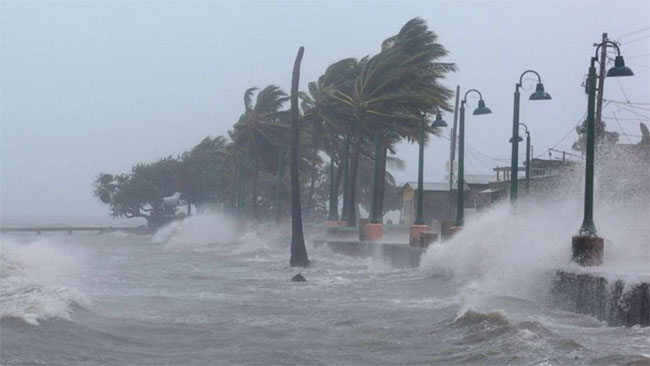
The Department of Meteorology has issued an Amber advisory warning of dangerous sea conditions and strong winds affecting multiple coastal regions around Sri Lanka. The alert, issued on Thursday evening, covers sea areas extending from Kankasanthurai to Chilaw via Mannar along the northwestern coast, and from Galle to Pottuvil via Hambantota along the southern and southeastern coastlines.
Amber advisories represent a serious warning level, indicating that potentially hazardous weather conditions could pose a significant risk to life and property. The alert comes as meteorological patterns shift across the Indian Ocean, bringing unsettled conditions to Sri Lankan waters during what is typically a transitional period for the island's monsoon systems.
Affected Coastal Areas and Navigation Warnings
The northwestern sea corridor from Kankasanthurai through Mannar to Chilaw encompasses some of Sri Lanka's busiest fishing zones and key maritime routes. Fishermen operating from these coastal towns have been advised to remain vigilant and avoid venturing into deep waters until conditions improve. The Mannar region, which supports a substantial fishing community, is particularly vulnerable during periods of rough seas and strong winds.
Similarly, the southern maritime stretch from Galle to Pottuvil via Hambantota includes popular tourist beaches and important commercial harbours. Hambantota, home to one of Sri Lanka's major ports, handles significant cargo traffic that could face disruptions if sea conditions deteriorate further. The tourism sector, which has shown robust growth with Sri Lanka Tourism Crosses 900,000 Arrivals in 2026, Rs. 4 Billion Global Campaign Planned, may also see temporary impacts on coastal activities and water sports in these regions.
Safety Precautions for Fishermen and Coastal Communities
Naval and coastal authorities have urged fishing communities to postpone deep-sea expeditions until the Amber advisory is downgraded or lifted. Multi-day fishing vessels already at sea have been advised to monitor weather updates continuously and seek shelter in the nearest safe harbour if conditions worsen. Small craft operators, including those engaged in tourist excursions and ferry services, should suspend operations until meteorological officials confirm safer conditions.
Coastal residents living in low-lying areas have been asked to remain alert for potential flooding or storm surge, particularly during high tide periods. Local disaster management authorities in affected districts are maintaining readiness to respond to any emergency situations that may arise.
Understanding Weather Advisory Levels
The Department of Meteorology employs a colour-coded warning system to communicate weather risks. Amber advisories sit in the middle tier, indicating that weather conditions may cause significant disruption and potential danger. These warnings require heightened awareness and preparation, though they are less severe than Red advisories which signal extreme danger.
Green advisories represent normal conditions, while Yellow warnings indicate the need for monitoring but minimal immediate risk. The current Amber classification suggests that mariners and coastal populations should take concrete precautionary measures rather than simply staying informed.
Meteorological Context and Seasonal Patterns
Sri Lanka experiences two monsoon seasons annually, with the southwest monsoon typically active from May to September and the northeast monsoon from December to February. The timing of this advisory in late May aligns with the strengthening phase of the southwest monsoon, which can bring gusty winds and turbulent sea conditions to western and southern coastal areas.
Inter-monsoon transition periods can also generate unpredictable weather patterns, including sudden squalls and wind shifts. Meteorological officials analyse atmospheric pressure systems, wind speed data, and ocean current patterns to forecast such conditions and issue timely warnings to protect lives and livelihoods.
The Department of Meteorology continues to monitor developing weather systems and will update advisories as conditions evolve. Coastal communities and maritime operators are encouraged to follow official channels for the latest information and comply with safety recommendations until the all-clear is given.
Anyone planning coastal travel or maritime activities in the affected regions should consult local authorities and postpone non-essential trips until sea conditions stabilise and the advisory is lifted.
Source: Ada Derana
No comments yet. Be the first to share your thoughts!