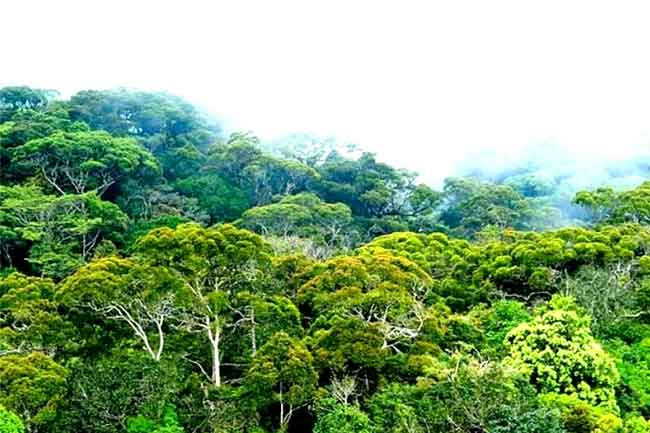
Sri Lanka has made significant strides in environmental conservation with the declaration of 81 forests as protected reserves under the Vanaspathi Programme since its launch in 2025. The gazette notifications mark a decisive step in safeguarding the island's dwindling forest cover, with authorities indicating that additional areas will receive similar legal protection in the coming months.
The Vanaspathi Programme, which translates to 'vegetation' in Sinhala, represents one of the most ambitious forest conservation initiatives undertaken by the Sri Lankan government in recent years. By declaring forests as reserves through official gazette notifications, these areas gain legal protection against encroachment, deforestation, and unauthorised commercial activities.
Expanding Sri Lanka's Protected Forest Network
According to official sources, the 81 forest reserves declared under the Vanaspathi Programme span diverse ecological zones across the country. While specific locations have not been disclosed in the latest announcement, the programme is understood to target both primary rainforests and secondary growth areas that serve as critical wildlife corridors and watersheds.
Forest reserves differ from other protected area categories in Sri Lankan law. Once gazetted, these forests fall under stricter regulatory frameworks administered by the Forest Department, limiting activities such as logging, mining, and agricultural expansion within their boundaries. The designation also enables enhanced enforcement against illegal timber extraction and wildlife poaching.
Environmental experts have welcomed the initiative, noting that Sri Lanka's forest cover has declined dramatically over the past century. From an estimated 84 percent coverage at the turn of the 20th century, forest cover had shrunk to approximately 29 percent by 2020, according to Food and Agriculture Organization data.
Conservation Targets and Legal Framework
The gazette notifications issued under the Vanaspathi Programme provide constitutional backing to forest conservation efforts. Each notification formally identifies boundaries, prohibits certain activities, and establishes management protocols for the designated areas.
Government officials familiar with the programme have indicated that the target is to declare at least 150 forest reserves by 2027, effectively placing several hundred thousand hectares under enhanced legal protection. The initiative aligns with Sri Lanka's international commitments under the Convention on Biological Diversity, which calls for protecting 30 percent of terrestrial areas by 2030.
Implementation Challenges and Community Concerns
Despite the environmental benefits, the Vanaspathi Programme has not been without controversy. Rural communities living adjacent to newly declared reserves have raised concerns about restrictions on traditional resource use, including the collection of firewood, medicinal plants, and minor forest products that form part of their livelihoods.
Conservationists argue that effective implementation requires balancing protection goals with community rights. Several pilot projects under the programme have attempted to integrate local populations through co-management arrangements and alternative livelihood schemes, though results have been mixed.
Next Phase of Forest Declarations
With 81 forests now gazetted, the Forest Department is reportedly preparing documentation for the next tranche of declarations. Priority areas include montane forests in the central highlands, coastal mangrove ecosystems, and dry zone forests that provide habitat for endangered species such as the Sri Lankan elephant and leopard.
The success of the Vanaspathi Programme will ultimately depend on enforcement capacity and sustainable funding. Past conservation initiatives in Sri Lanka have struggled with inadequate staffing, equipment shortages, and limited budgets for field operations.
Environmental groups have called for increased investment in ranger training, surveillance technology, and legal prosecution of forest crimes to ensure that gazette notifications translate into genuine protection on the ground.
As climate change intensifies and biodiversity loss accelerates globally, Sri Lanka's efforts to expand its network of protected forests offer a model for other developing nations grappling with similar conservation challenges. The coming months will reveal whether the momentum behind the Vanaspathi Programme can be sustained and expanded to meet its ambitious targets.
Source: Ada Derana
No comments yet. Be the first to share your thoughts!