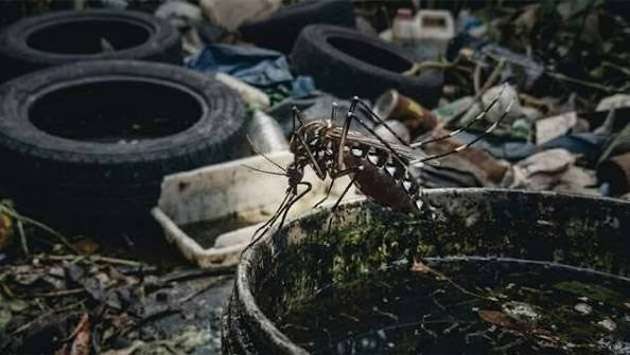
A nationwide dengue control programme has uncovered mosquito larvae in nearly 1,864 premises across Sri Lanka, raising fresh concerns about public health preparedness as the country battles recurring outbreaks of the mosquito-borne disease. The Health and Mass Media Ministry reported the findings following an intensive three-day inspection drive that examined more than 31,000 locations nationwide.
The large-scale operation, which covered homes, workplaces, and public institutions, found that approximately six percent of inspected premises posed active dengue transmission risks. Health officials have warned that such breeding conditions, if left unchecked, could contribute to a surge in dengue cases during the coming months.
Widespread Mosquito Breeding Risks Across Sri Lanka
According to the Ministry's latest data released on June 10, 2026, the inspections revealed widespread mosquito breeding sites in both urban and rural areas. The dengue control programme prioritised residential compounds, commercial establishments, construction sites, and government buildings—all known hotspots for Aedes aegypti mosquitoes, the primary vector for dengue transmission.
Public health officers discovered larvae in discarded containers, flower pots, roof gutters, and water storage tanks that had not been properly sealed or maintained. In several instances, long-term neglect of property upkeep contributed to the proliferation of stagnant water collections, creating ideal breeding environments for disease-carrying mosquitoes.
Three-Day National Programme Targets High-Risk Areas
The coordinated effort brought together regional health teams, local government officers, and community volunteers who conducted door-to-door inspections and provided immediate remedial advice to property owners. The Ministry emphasised that the programme was not merely punitive but educational, aiming to build long-term awareness about dengue prevention strategies.
In areas where larvae were detected, residents received on-the-spot guidance on eliminating breeding sites and maintaining their premises to prevent future infestations. Health teams also distributed informational materials outlining practical steps to reduce mosquito populations, including weekly inspection of water containers and proper disposal of waste materials.
Enforcement Measures and Legal Action
While the primary focus remained on public education, authorities indicated that repeat offenders and those who knowingly neglect preventive measures could face legal consequences under existing public health regulations. The Ministry has the authority to issue fines and take further action against property owners who fail to comply with mosquito control directives.
Dengue Remains a Persistent Public Health Challenge
Sri Lanka has long grappled with dengue, which places significant strain on the healthcare system and affects productivity across multiple sectors. The World Health Organization recognises dengue as one of the fastest-spreading mosquito-borne viral diseases globally, with cases increasing dramatically over recent decades.
In Sri Lanka, seasonal patterns typically see case numbers rising during monsoon periods when rainfall creates additional breeding sites. However, experts note that year-round vigilance is essential, as climate variations and urbanisation have extended transmission seasons and expanded mosquito habitats.
Previous outbreaks have placed immense pressure on hospitals, particularly in densely populated districts around Colombo, Gampaha, and Kandy. Health authorities continue to stress that community participation remains the most effective defence against dengue, given that more than 80 percent of breeding sites are found within or around residential properties.
Call for Sustained Community Vigilance
The Ministry has urged all citizens to maintain vigilance beyond the inspection period, emphasising that a single property owner's negligence can affect an entire neighbourhood. Regular inspections, proper waste management, and immediate removal of stagnant water remain the cornerstone of effective dengue prevention.
Households are encouraged to conduct weekly inspections, particularly of commonly overlooked areas such as air conditioner drip trays, plant saucers, and blocked drainage channels. The Health Ministry has also established a dedicated hotline for residents to report potential breeding sites in abandoned properties or public spaces.
As Sri Lanka continues its battle against dengue, the recent inspection drive serves as both a warning and an opportunity. With nearly 30,000 premises found to be compliant, there is clear evidence that awareness campaigns are making an impact—but the 1,864 sites with active larvae demonstrate that sustained effort and community responsibility remain essential to protecting public health.
Source: Daily Mirror
No comments yet. Be the first to share your thoughts!